
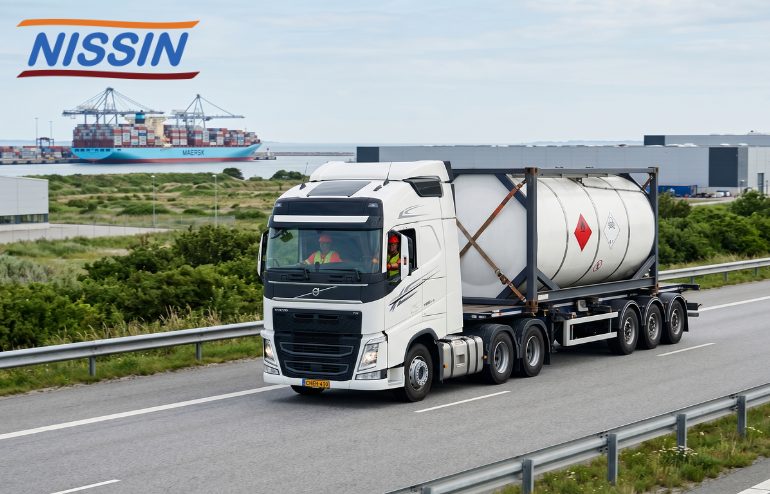
What You Should Know About Dangerous Goods Transportation
Transporting or shipping dangerous goods can be a challenging task. It becomes even more complex when operations span across international markets. A strict set of global and regional guidelines must be followed, especially in dangerous goods logistics, where compliance and safety go hand in hand. Each country has its own regulations for hazardous goods transport, and different specifications apply depending on the type of material being handled.
Here are some key things you should understand and watch for when shipping dangerous goods:
Understanding What Are Dangerous Goods
Dangerous goods are defined as items or materials that, when transported in bulk, pose a serious risk to people’s health, property, or the environment. These are also commonly referred to as hazardous materials, hazmat, or hazardous cargo.
They can exist in the form of gases, liquids, or solids. Some may be flammable, corrosive, toxic, or reactive. Interestingly, many everyday items fall under this category, including aerosols, perfumes, batteries, and even cigarette lighters.
Because of the risks involved, hazardous goods handling and transport requires careful classification, labeling, and compliance with international standards.
Verify Your Documentation
In dangerous goods logistics, proper documentation is not just important; it is essential. Accurate paperwork helps prevent delays, penalties, or even shipment rejection.
Make sure all dangerous goods are clearly listed in the “Item Description” section of your invoice. Any mismatch or omission can result in customs delays or regulatory issues.
If you are shipping dangerous goods such as aerosols, batteries, or fragile containers, additional hazard labels and handling instructions must be included. These labels should be clearly visible and easy to understand for handlers across the supply chain.
Carefully Pack Your Goods
One of the main reasons materials are classified as dangerous goods is the level of risk they pose during transit. That makes packaging a critical step in hazardous goods transport.
Proper packaging helps reduce the risk of leakage, damage, or exposure. Whether you are shipping liquids, chemicals, or electronic devices, your packaging must meet regulatory standards and provide sufficient cushioning and containment.
Poor packaging not only increases safety risks but can also lead to shipment delays or rejection. In dangerous goods logistics, packaging requirements may vary depending on the quantity, classification, and mode of transport.
Check Mode of Transportation Restrictions
Not all dangerous goods can be transported through every mode. Air, sea, and road transport each have their own restrictions and compliance requirements.
For example, certain flammable or pressurized items may be restricted in air freight but allowed under specific conditions in sea freight. Understanding these differences is essential in dangerous goods logistics to avoid last-minute disruptions.
Working with an experienced logistics partner can help you select the most suitable and compliant transport method for your shipment.
Train Your Staff and Handlers
Handling dangerous goods is not just about paperwork and packaging. It also involves trained personnel who understand the risks and proper handling procedures.
Staff involved in hazardous goods transport should be trained in safety protocols, emergency response, and regulatory compliance. This reduces the chances of accidents and helps maintain a safe supply chain environment.
Many international regulations also require certified training for those directly involved in shipping dangerous goods.
Plan for Emergency Situations
Even with proper planning, unexpected situations can arise during transit. That is why having an emergency response plan is essential in dangerous goods logistics.
This includes having spill kits, clear instructions for handling leaks or exposure, and quick communication channels with authorities if needed.
Preparedness helps minimize damage and keeps both people and the environment protected.
Divide Your Shipments
In some cases, businesses explore ways to simplify shipping dangerous goods by dividing shipments. If possible, splitting a large shipment into smaller consignments may help reduce regulatory complexity.
However, this approach depends on the nature of the goods and applicable regulations. While it may reduce documentation requirements in certain situations, it is important to consult with your logistics provider before making such decisions.
A well-planned strategy in dangerous goods logistics can help balance compliance, cost, and transit efficiency.
Expect to Pay Additional Handling Charges
Handling dangerous goods comes with added responsibility, and as a result, additional costs. Logistics providers typically charge extra for hazardous goods transport due to the specialized handling, storage, and safety measures required.
These goods are often categorized into:
1. Accessible Dangerous Goods (ADG), which require immediate access during transit
2. Inaccessible Dangerous Goods (IDG), which can be stored with other cargo without direct access
These classifications influence how the shipment is handled and the associated surcharges.
Stay Updated with Changing Regulations
Regulations around dangerous goods are constantly evolving. What is permitted today may require new compliance steps tomorrow.
Staying updated with international and local rules is a key part of effective dangerous goods logistics. Regular checks and coordination with logistics partners help avoid penalties and keep your shipments moving without disruption.
Conclusion
Transporting dangerous goods requires attention to detail at every step. From proper documentation and compliant packaging to trained handling and regulatory awareness, each element plays a role in smooth and safe operations.
With the right approach and expert support in dangerous goods logistics, businesses can reduce risks, avoid delays, and maintain compliance across borders.
At Nissin, we support businesses with reliable solutions for shipping dangerous goods and managing complex hazardous goods transport requirements. If you are looking for a trusted logistics partner with experience in compliance and global shipping standards, explore our services or get in touch with our team today.
Our team is ready to assist you. Please call us at +32 2 751 44 99 or email your requirements to [email protected].
