24 Jun 2025
Best Practices in Transport

From Factory to Showroom: Best Practices in Automotive and Machinery Transport

The journey from the manufacturing plant to the dealership or showroom is a critical link in the automotive and industrial sectors. Car transportation and heavy machinery logistics involve intricate planning, specialized handling, and stringent safety protocols. By mastering these logistics, companies streamline their supply chains and deliver vehicles and machinery in pristine condition. This blog explores best practices to optimize factory-to-dealer transport and emphasizes the importance of specialized freight handling and secure car transportation.

Prioritize Specialized Freight Handling

When transporting vehicles and machinery, the value and sensitivity of these items demand special handling. Specialized freight handling involves using advanced loading equipment, custom rigs, and experienced personnel trained specifically in handling heavy machinery and automobiles. Vehicles often have delicate electronic systems, precision parts, and high-value finishes that require careful loading, securing, and unloading procedures to prevent costly damages.

Proper equipment such as hydraulic lifts, enclosed trailers, and reinforced securing systems is indispensable. They safeguard against damage caused by vibrations, weather conditions, and road impacts. The goal is always to deliver machinery and vehicles in the same condition they left the factory.

Optimizing Vehicle Shipping Services

Efficient vehicle shipping services hinge on logistics precision, route planning, and reliable carriers. Companies specializing in vehicle transportation must carefully plan routes to minimize transit times and reduce risks. Shorter, more direct routes reduce fuel consumption, lower transportation costs, and decrease the potential for accidents or damage.

Additionally, real-time tracking systems and comprehensive insurance coverage are vital components of successful car transportation. Tracking allows customers and logistics teams to monitor shipment progress continuously, enabling proactive communication and swift response to unforeseen events.

Secure Car Transportation Techniques

Secure transportation of vehicles is non-negotiable in the automotive industry. Employing secure tie-down systems, protective covers, and enclosed transportation trailers is standard practice for secure car transportation. This reduces risks from environmental factors like debris, weather, and theft. Using secure locks and surveillance equipment further safeguards shipments against unauthorized access and potential vandalism or theft.

Pre-shipment inspections and detailed checklists ensure every vehicle is properly prepared and documented before transport. Regular audits and compliance with transportation standards further boost the security and integrity of vehicle transport.

Effective Heavy Machinery Logistics

Transporting heavy machinery requires expertise and a robust understanding of regulatory compliance and safety standards. Effective heavy machinery logistics begin with assessing equipment dimensions, weight, and specific handling instructions. Oversized and overweight machinery often necessitates specialized permits, escorts, and route clearances to navigate safely through public roadways.

Logistics teams must account for local and international regulations, customs clearances, and transportation permits. Having a clear strategy and contingency plans for route disruptions or delays ensures machinery reaches its destination safely and timely.

Enhancing Automotive Supply Chain Logistics

A well-managed automotive supply chain contributes significantly to overall operational efficiency. Improving automotive supply chain logistics involves synchronizing manufacturing schedules with transportation availability. Seamless coordination between production units, transport providers, and dealerships minimizes inventory holding times and accelerates market readiness.

Advanced forecasting tools and demand planning strategies further align manufacturing and transportation operations. By anticipating market demand and aligning logistics resources accordingly, companies avoid bottlenecks, reduce costs, and enhance overall supply chain responsiveness.

Streamlining Factory-to-Dealer Transport

Factory-to-dealer transport is a critical step in maintaining brand integrity and customer satisfaction. Streamlined logistics in this phase mean vehicles and machinery are reliably available at dealerships when promised, maintaining positive customer experiences.

Collaboration with reputable logistics providers who specialize in automotive and industrial sectors ensures the right equipment, infrastructure, and expertise are in place. The logistics partner must understand the intricacies involved in safely moving assets from factory floors to dealer lots, ensuring reliability, punctuality, and quality assurance throughout the process.

Industrial Equipment Shipping

Like automotive transport, industrial equipment shipping presents unique challenges and considerations. Heavy industrial machines often feature intricate, fragile components requiring protective measures. Custom packaging solutions, vibration dampeners, and shock absorption systems mitigate the risks of transit-related damage.

Furthermore, documenting shipping conditions, employing sensors to monitor environmental exposure (humidity, temperature, impacts), and robust communication with all stakeholders guarantee transparency and trust throughout the shipping process.

Choose Expert Automotive and Machinery Transport

Optimizing the journey from factory to showroom demands meticulous planning, precise execution, and professional logistics partners experienced in car transportation, heavy machinery, and industrial equipment logistics.

At Nissin Belgium, we specialize in providing exceptional automotive and machinery transportation solutions tailored to meet stringent industry standards and customer expectations. Our expert logistics team is equipped with advanced tools, comprehensive protocols, and dedicated support systems.

Our team is ready to assist you—please call us at +32 2 751 44 99 or email your requirements to mailto:HowCanIHelpYou@be.nissin-eu.comfor prompt and professional support. Let us simplify your logistics journey, ensuring your vehicles and machinery arrive safely and efficiently, every time.

10 Jun 2025
Autonomous Trucks & Drones

Autonomous Trucks & Drones: The Next Big Thing in Logistics?

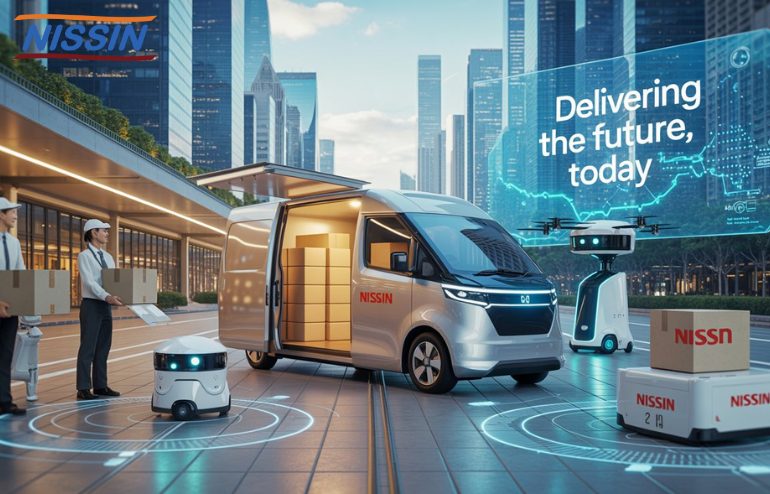
The logistics industry is undergoing a seismic shift, driven by rapid advancements in automation and smart technologies. Among the most disruptive innovations are autonomous vehicles—particularly self-driving trucks—and drones, which are poised to revolutionize both long-haul freight and last-mile delivery. These technologies are not just futuristic concepts; they’re actively reshaping how goods move across supply chains. But how far can they go in transforming logistics as we know it? In this blog, we’ll explore the rise of robotic logistics, the potential impact of automation on transportation, and what it means for the future of global shipping.

Revolutionizing Road Shipping with Self-Driving Trucks

Traditional road shipping has long depended on human-driven vehicles, often facing issues like driver fatigue, scheduling challenges, and safety concerns. Autonomous trucks promise to transform logistics by significantly addressing these problems. With advanced sensors, cameras, and AI algorithms, self-driving trucks can safely navigate highways and urban roads, reducing human error and increasing overall efficiency.

Imagine a world where trucks operate around the clock without mandatory breaks, dramatically slashing delivery times. Logistics companies that adopt autonomous trucking could witness significant cost savings, higher productivity, and improved safety metrics. The economic and operational benefits of integrating self-driving trucks into road shipping operations are undeniable and could soon become a norm.

Accelerating Deliveries with Drone Technology

One of logistics’ greatest pain points is last-mile delivery—where traditional methods often falter due to traffic congestion, delays, and rising operational expenses. Drones offer an innovative, efficient solution by bypassing conventional roadways altogether.

Picture drones swiftly carrying parcels directly to your doorstep within minutes. Drone technology is already being tested globally by major e-commerce companies, promising speedy, efficient, and environmentally friendly delivery. This approach can revolutionize package delivery, especially in congested urban settings and remote locations, significantly enhancing customer satisfaction and logistical efficiency.

AI-Driven Supply Chain Management: Smart and Responsive

Integrating artificial intelligence into supply chain management further amplifies these benefits. AI-driven supply chain management enables companies to forecast demand accurately, optimize routes dynamically, manage inventory precisely, and respond swiftly to disruptions.

Autonomous trucks and drones, combined with AI, create a seamlessly interconnected logistics network. AI systems analyze real-time data, adapting transportation routes and inventory strategies dynamically, ensuring smart utilization of smart delivery vehicles. The synergy between AI and autonomous logistics ensures greater responsiveness, reduced costs, and unparalleled efficiency.

Enhancing Safety and Sustainability

Autonomous vehicles significantly reduce accident rates caused by human error, enhancing road safety for everyone. Additionally, autonomous trucks and drones offer an environmentally friendly alternative, as precise route optimization and consistent speeds lead to reduced fuel consumption and emissions. Companies committed to sustainability will find autonomous logistics a crucial ally in meeting environmental targets.

Going Beyond Vehicles: Robotic Logistics Solutions

Robotic logistics extends far beyond vehicles themselves. It encompasses fully automated warehouses, intelligent robotic picking and packing systems, and precise sorting mechanisms. These sophisticated technologies collaborate with autonomous trucks and drones, enabling rapid loading, unloading, and error-free inventory management.

Together, robotic systems and autonomous vehicles form a holistic logistical framework, drastically improving operational efficiency, accuracy, and overall productivity.

Data-Driven Predictive Maintenance

One major advantage of autonomous logistics is predictive maintenance. Smart delivery vehicles, equipped with sensors and diagnostic tools, can predict mechanical failures before they occur, reducing downtime significantly. This proactive approach keeps logistics operations running smoothly, minimizes unexpected breakdowns, and ensures timely deliveries.

Workforce Transformation and Upskilling

The shift to autonomous logistics will inevitably reshape the workforce landscape. Rather than eliminating jobs, it presents opportunities for employees to transition into roles focusing on technology oversight, AI management, and strategic logistics planning. Investing in workforce training and upskilling is essential to successfully integrate autonomous solutions and foster long-term growth.

The Exciting Future of Transportation Automation

The future of transportation automation looks increasingly promising. Ongoing advancements are continually reshaping possibilities. Autonomous vehicles will soon be capable of making real-time decisions, dynamically adjusting routes based on current traffic, weather conditions, and package urgency.

Urban infrastructure is gradually adapting to accommodate autonomous vehicles and drones, creating smarter cities that support quicker and smoother deliveries. Regulatory frameworks are also evolving to embrace these innovations, setting the stage for widespread adoption and creating a logistics landscape where autonomous technology is integral.

Addressing Challenges and Embracing Change

However, the transition to autonomous logistics isn’t without hurdles. Key challenges include regulatory compliance, safety concerns, public acceptance, and cybersecurity risks. Implementing these advanced technologies requires significant investment, workforce training, and robust cybersecurity measures to protect against potential threats.

Despite these challenges, forward-thinking logistics providers who embrace these technologies early will enjoy a competitive edge in the evolving market.

Navigate the Future with Nissin Belgium

Are you ready to step into the future of logistics with autonomous technologies? At Nissin Belgium, we are dedicated to offering advanced logistics solutions, ensuring your business stays ahead of the curve.

Our experienced team is ready to assist you—please call us at +32 2 751 44 99 or email your requirements to HowCanIHelpYou@be.nissin-eu.com for prompt and professional support.

Explore Nissin Belgium’s Road Shipping services today and see how our forward-thinking logistics solutions can drive your business ahead.

20 May 2025
Life Sciences Logistics

Emerging Trends in the Life Sciences Logistics Industry in 2025

In 2025, the life sciences logistics industry is moving forward at a remarkable pace. The demand for smarter, more adaptable, and highly reliable logistics solutions is driven by rapid scientific advancements, changing regulations, and a growing focus on patient-centric care. For companies navigating this complex landscape, mastering pharma logistics is no longer optional—it’s essential.

Let’s look into the trends shaping this dynamic industry and how they’re redefining pharmaceutical cold chain management, tackling life sciences supply chain challenges, and setting new standards for temperature-sensitive logistics.

Data-Driven Decision Making with Real-Time Monitoring

In 2025, life sciences logistics is being transformed by the power of data. IoT sensors, smart tracking systems, and predictive analytics allow companies to maintain end-to-end visibility over every shipment. For temperature sensitive logistics, this means real-time monitoring of temperature, humidity, and shock conditions, reducing spoilage risks and improving efficiency.

Imagine being able to track a biologic shipment from the manufacturer’s lab to the patient’s door—every mile, every hour, every critical condition captured and acted upon. This shift not only protects product integrity but also reassures both manufacturers and healthcare providers.

Sustainability Takes Center Stage

Gone are the days when sustainability was a buzzword. In 2025, it’s a core element of pharma logistics strategies. Companies are adopting energy-efficient transport methods, reducing packaging waste with reusable materials, and leveraging consolidated shipping to lower their carbon footprint.

For pharmaceutical cold chain management, the use of innovative materials like phase change packs and vacuum-insulated panels is helping reduce energy consumption while keeping products within precise temperature ranges. These choices reflect a broader commitment to balancing efficiency with environmental responsibility.

Navigating Evolving Regulations

With tighter regulations worldwide, especially in the EU and US, life sciences supply chain challenges are intensifying. Compliance with Good Distribution Practices (GDP) and serialization mandates requires enhanced visibility and documentation. The integration of blockchain technology and automated systems provides a secure and transparent view of every product’s journey, reducing risks of counterfeiting and delays.

The Shift Toward Personalization and Precision

The rise of cell and gene therapies, biologics, and personalized medicines has reshaped pharma logistics. These treatments demand precise temperature control and rapid delivery, often directly to healthcare providers or patients. Logistics providers are adapting by building more localized distribution hubs and deploying AI-driven demand forecasting to handle variable needs.

In temperature sensitive logistics, “white glove” delivery services are becoming standard for high-value therapies. Couriers trained to handle these delicate shipments, equipped with specialized containers, ensure that products reach their destination intact and on time.

Enter LifeLink 360: Redefining Pharma Logistics

Nissin Belgium is at the forefront of these transformations with its innovative LifeLink 360 service. This GDP-compliant, consolidated road transport solution across Europe for the Life Sciences & Healthcare sector is designed to address the very challenges companies face today.

Here’s why LifeLink 360 is making waves:

1. Precision Temperature Control: Handling ambient (15°C–25°C), cold (2°C–8°C), and frozen (down to -80°C) shipments, thanks to cutting-edge packaging solutions like Panasonic’s Vixell containers.

2. Consolidated Shipping: Orders are bundled through temperature-controlled hubs to minimize disruptions and maintain traceability.

3. Dedicated Single Point of Contact (SPOC): Personalized service to manage every aspect of the shipment—from pickup to delivery.

4. Hybrid Transport Options: Seamless transport of life sciences products using a combination of air, ocean, and road transport across Europe and beyond.


LifeLink 360’s approach to pharmaceutical cold chain management helps companies reduce complexity, control costs, and maintain product integrity. It’s a powerful solution for overcoming modern life sciences supply chain challenges.

Resilience and Risk Management

If the pandemic taught the industry anything, it’s the need for agility and resilience. In 2025, logistics providers are developing adaptive networks that can pivot quickly in response to supply chain disruptions, customs issues, or sudden demand spikes.

For pharma logistics, this means increasing local manufacturing capacity, diversifying supplier networks, and implementing smart contingency plans. The result? A more robust and responsive supply chain, capable of weathering storms and delivering critical medicines reliably.

Skilling Up for the Future

Behind every successful logistics solution is a well-trained team. Companies are investing heavily in upskilling their workforce, equipping them to handle the complexities of pharma logistics—from regulatory compliance to temperature sensitive logistics handling. Certification programs and advanced training ensure teams stay ahead of industry changes.

The Future is Here – Are You Ready?

The life sciences logistics industry in 2025 isn’t just about moving products—it’s about doing it smarter, faster, and more sustainably. With innovations like real-time monitoring, advanced cold chain solutions, and personalized services, companies can overcome life sciences supply chain challenges and meet the demands of modern healthcare.

Looking for a logistics partner who truly understands the complexities of life sciences supply chains? Discover how Nissin Belgium’s LifeLink 360 can streamline your operations and protect what matters most.

Have questions or ready to get started? Call us at +32 2 751 44 99 or email HowCanIHelpYou@be.nissin-eu.com—our team will respond promptly.

15 May 2025
Last-Mile Delivery

Innovations in Last-Mile Delivery: Meeting E-Commerce Demands

As e-commerce continues to reshape consumer expectations, logistics providers are under growing pressure to deliver faster, more reliably, and with greater transparency. Among the many challenges in this evolving landscape, last-mile delivery stands out as one of the most complex. It’s the final leg of the journey — and often the most expensive and time-sensitive.

To meet these demands, businesses are turning to new strategies and technologies that streamline operations without compromising on speed or customer experience. From smart route optimization for last-mile delivery to real-time delivery tracking, innovations in last-mile logistics are rapidly transforming how goods reach our doorsteps. One area gaining attention for its efficiency and speed is air shipping, which plays a crucial role in solving many of the bottlenecks associated with last-mile challenges.

Why Last-Mile Delivery Is So Challenging

Last-mile delivery is all about getting goods from a distribution hub to the end customer as quickly and cost-effectively as possible. But the process is riddled with obstacles: unpredictable traffic, failed delivery attempts, high costs per package, and customer demand for same-day or next-day shipping.

For retailers, delays or inefficiencies in the last mile can harm their reputation and result in lost customers. For logistics companies, it’s a constant balancing act between cost control and service speed. That’s why innovation isn’t just helpful—it’s necessary.

Air Shipping: Speed Meets Scale

While air transport is traditionally associated with long-haul international freight, it’s also becoming essential in improving last-mile delivery for certain markets. As distribution centers are built closer to urban areas, using air shipping for regional or domestic hops reduces transit times and helps fulfill high-priority orders.

Same-day delivery services, especially for high-value or perishable items, often rely on air transport to move packages between cities before handing them off to local couriers. This hybrid model allows companies to bypass slower ground networks during peak times and avoid delays that can occur in congested areas.

For global retailers, integrating air shipping into last-mile logistics provides the speed required for express delivery services, without sacrificing the reach needed to serve international customers.

The Rise of On-Demand Delivery Services

Consumer expectations have shifted dramatically: today’s shoppers anticipate delivery within hours of placing an order. To meet this demand, on-demand logistics providers leverage gig-economy drivers, strategically located micro-fulfillment centers, and AI-driven route optimization to ensure rapid, reliable service.

Retailers are collaborating with third-party logistics providers (3PLs) and even crowdsourced fleets to expand their last-mile capabilities. These systems allow for rapid scaling in urban environments and better geographic coverage in suburban and rural zones.

In many cases, the success of on-demand models relies on data. Real-time demand forecasting, inventory tracking, and dynamic dispatching make it possible to respond to orders almost instantly while minimizing delays.

Smart Route Optimization for Last-Mile Delivery

Reducing delivery time doesn’t just mean driving faster — it means driving smarter. Route optimization for last-mile delivery uses algorithms to calculate the most efficient path for delivery drivers, taking into account variables like traffic patterns, delivery windows, vehicle capacity, and even weather conditions.

This technology isn’t new, but recent advances have made it far more accurate and accessible. Today’s software platforms can adjust routes on the fly, reassign deliveries mid-route, and even prioritize stops based on customer location or urgency.

For businesses, these tools lead to lower fuel costs, fewer failed deliveries, and better overall customer satisfaction. For customers, it means a more predictable and reliable experience — no more waiting all day for a package.

Real-Time Delivery Tracking: Transparency in Transit

One of the most significant breakthroughs in last-mile logistics has been the rise of real-time delivery tracking. Consumers want to know exactly when their order will arrive — and modern systems make that possible.

GPS tracking, integrated with customer-facing apps, allows buyers to monitor the status of their deliveries in real time. From the moment a package leaves the warehouse to its final arrival, updates are automatically shared with the customer. This level of visibility reduces missed deliveries and builds trust.

On the operations side, real-time tracking also helps dispatchers monitor fleet performance, spot potential delays early, and reroute drivers as needed. Combined with customer feedback loops, it allows companies to identify bottlenecks and improve their service over time.

Nissin Belgium: A Leader in Logistics Innovation

In this landscape of rapid change, Nissin Belgium is leading the way by combining expertise, technology, and flexibility to meet e-commerce’s evolving demands. With a focus on high-quality air freight and integrated logistics solutions, Nissin Belgium connects businesses to global and regional markets, reducing delivery times and improving reliability.

Our emphasis on air shipping isn’t just about speed — it’s about providing a seamless connection between long-haul transport and last-mile delivery. By offering specialized services like express air freight and regional air solutions, Nissin Belgium supports businesses looking to stay competitive in fast-moving markets. Our commitment to route optimization for last-mile delivery, combined with transparent tracking and real-time communication, ensures that customers receive their orders exactly when and where they expect them.

Nissin Belgium’s Comprehensive Edge

Nissin Belgium doesn’t just deliver packages; we deliver full-spectrum logistics solutions, including:

1. Special Air Car Container designed for high-value or delicate goods at major events

2. In-house consolidation to optimize shipment costs and compliance

3. Fumigation and customs services to clear goods quickly through international borders

4. Global warehousing with temperature-controlled and dangerous-goods storage options

5. Expertise in local & international regulations, backed by IATA, AEO, GDP, RA, and DG certifications

6. Proactive communications, keeping you updated throughout the journey

7. A multicultural team trained to meet diverse client needs and standards

With these capabilities, businesses can confidently combine air shipping with ground delivery, on-demand services, and smart routing—creating a truly end-to-end logistics advantage.

Meeting the Future of Delivery

The pressure to deliver quickly and reliably isn’t going away — if anything, it’s increasing. Businesses that want to stay competitive in the e-commerce space need to rethink how they handle the last mile. That might mean investing in better tracking software, exploring air freight options for faster delivery, or integrating on-demand delivery services to reach customers more effectively.

Each solution brings its own challenges, but the common thread is innovation. As technology evolves, so too will the strategies used to meet e-commerce demands. Companies like Nissin Belgium are paving the way, offering flexible logistics solutions that combine air, ground, and technology-driven services to keep businesses moving forward.

Ready to Optimize Your Shipping?

If your business is looking to improve last-mile performance or expand delivery reach through air shipping, our team at Nissin Belgium can help. We offer fast and flexible air freight services that connect you to global and regional markets with confidence. Please call us at +32 2 751 44 99 or email your requirements to – HowCanIHelpYou@be.nissin-eu.com to streamline your logistics and meet your customers’ expectations, from warehouse to doorstep.

25 Apr 2025

Why Proper Packaging and Labeling Matters for Lithium-Ion Battery Transport

In the modern world, lithium-ion batteries power everything from smartphones to electric vehicles. As demand rises, so does the need for careful and compliant shipping practices. Proper packaging and labeling are not just formalities—they are critical steps in maintaining safety, protecting shipments, and adhering to international standards. For businesses involved in lithium-ion battery shipping, understanding these aspects is vital for smooth operations and risk management.

The Growing Importance of Lithium-Ion Battery Transport

Lithium-ion batteries are classified as dangerous goods because they carry a risk of fire, explosion, and chemical leakage when improperly handled. As a result, lithium-ion battery transport is subject to stringent rules globally. Carriers, manufacturers, and shippers must pay close attention to every detail, from how the batteries are packed to the labels displayed on their containers.

Compliance is not optional. Organizations that fail to follow lithium battery transport regulations could face costly fines, shipment delays, damaged reputations, or worse—serious accidents. Safe transport practices start with a complete understanding of how to package and label these powerful energy sources correctly.

Packaging Lithium-Ion Batteries: A Critical First Step

When it comes to packaging lithium-ion batteries, the goal is to minimize the risk of short-circuits, overheating, and physical damage during transit. Several important steps must be followed:

1. Use strong, approved materials: Batteries should be housed in robust containers that can withstand shocks, vibrations, and pressure changes.

2. Separate batteries: Batteries should not come into contact with each other or with conductive materials. Dividers, non-conductive cushioning, and sealed bags are typically used.

3. Protect terminals: Terminal ends should be covered to prevent accidental contact, which can trigger short-circuits.

4. Manage damaged batteries carefully: Batteries that are defective, recalled, or damaged require special handling and may even need different packaging based on their condition.

Selecting the right packaging is essential for lithium battery shipping compliance. Organizations that prioritize high-quality, regulation-compliant packaging significantly lower their risks during transport.

Labeling Lithium Batteries for Transport: Why It Matters

Correct labeling communicates crucial information to all parties involved in shipping and handling. Labeling lithium batteries for transport helps carriers, customs officials, and emergency responders identify the cargo quickly and react appropriately in case of an incident.

Key labeling practices include:

1. Display UN Numbers: UN3480 for standalone lithium-ion batteries, and UN3481 for batteries packed with or contained in equipment.

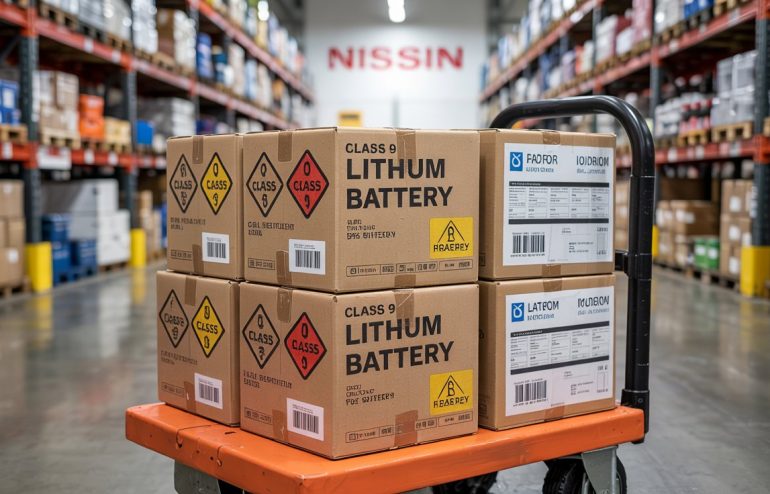
2. Use hazard labels: Include the lithium battery handling label, Class 9 hazard label, and cargo aircraft-only label if necessary.

3. Add shipping documentation: Depending on the size and configuration of the shipment, a dangerous goods declaration may be required alongside the labeling.

Poor labeling can cause significant shipment delays, rejection by carriers, or violations of lithium battery shipping requirements. Companies must stay updated with the latest guidelines issued by regulatory bodies like the International Air Transport Association (IATA) and International Maritime Organization (IMO).

Staying Compliant with Lithium Battery Transport Regulations

Global regulatory frameworks for lithium battery shipments are complex and frequently updated. Compliance requires attention to several areas:

1. Mode-specific rules: Air, ocean, and ground transportation each have unique regulations.

2. State of charge limits: Batteries often must be shipped with a state of charge less than 30%, especially for air transport.

3. Special provisions: Specific exceptions exist for small batteries, but many still require labels and specialized packaging.

4. Training requirements: Staff involved in lithium-ion battery shipping must be trained to recognize and apply the latest requirements correctly.

Following lithium battery shipping compliance standards protects the safety of transportation networks and the communities they serve. Investing in training, professional advice, and quality materials for packaging and labeling is no longer optional—it’s a necessity.

Consequences of Non-Compliance

Non-compliance carries serious consequences. At a minimum, shipments may be delayed, causing financial losses and strained client relationships. Worse, incorrect packaging lithium-ion batteries or improper labeling could lead to accidents during transport. Fires involving lithium-ion batteries are extremely difficult to extinguish and can cause catastrophic damage to aircraft, ships, and warehouses.

Regulators worldwide are increasing inspections and audits related to lithium battery shipping requirements. Businesses caught in violation may face fines, penalties, or restrictions on future shipments.

Trusting Experts for Safe Lithium-Ion Battery Shipping

Given the complexity and risks associated with lithium-ion battery transport, many businesses choose to work with logistics experts specializing in this field. Companies like Nissin Belgium’s LIB Village offer tailored solutions focused on meeting packaging, labeling, documentation, and compliance needs with precision.

Partnering with experienced professionals helps businesses maintain a proactive approach to lithium battery shipping compliance. It allows them to move their products safely and efficiently, without falling into costly regulatory traps.

Proper packaging and labeling are not mere details in the world of lithium-ion battery transport—they are critical safeguards that protect businesses, transport workers, and end-users alike.

To streamline your lithium-ion battery shipping processes and stay fully compliant with international standards, partner with a specialized logistics provider who understands the complexities of dangerous goods transport and can ensure safe, efficient, and regulation-compliant delivery across borders.

Our team is ready to assist you—please call us at +32 2 751 44 99 or email your requirements to HowCanIHelpYou@be.nissin-eu.com for prompt and professional support.

10 Apr 2025

The Benefits of Integrated Logistics for Seamless Operations

Efficient logistics are the backbone of any thriving business. Whether moving products across town or shipping goods around the globe, the way companies organize and manage their logistics services has a direct impact on customer satisfaction, operating costs, and growth potential.

Rather than treating each part of the supply chain separately, many businesses are implementing integrated logistics — a strategy that connects transportation, warehousing, inventory, and freight management into one streamlined system. This coordinated approach transforms logistics from a series of isolated tasks into a continuous, powerful flow that supports better decision-making and stronger results.

Let’s look into why integrated logistics is changing the way companies operate — and why it could be the advantage your business needs.

1. Building a Smarter Supply Chain Through Integration

Supply chain integration is one of the biggest advantages of an integrated logistics model. Instead of juggling suppliers, warehouses, and shipping partners independently, integration creates a connected network where everyone has access to the same real-time data.

This level of collaboration leads to faster reactions to changes in demand, fewer delays, and a more flexible supply chain that can adapt to new challenges without missing a beat.

2. Tapping into the Power of Third-Party Logistics (3PL) Services

Businesses that incorporate third-party logistics (3PL) services into their integrated strategy gain access to expert resources without heavy overhead. 3PL partners bring specialized knowledge, established carrier relationships, and flexible warehousing options — all of which help companies expand their capabilities without building everything from scratch.

Integration makes working with 3PLs seamless, allowing businesses to scale up or down quickly based on seasonal demands or market opportunities.

3. Freight Management Solutions Made Easy

Handling freight doesn’t have to be complicated. Integrated logistics uses smart freight management solutions to streamline shipping activities, from scheduling pickups to optimizing delivery routes.

Instead of managing each shipment as a separate task, companies can plan transportation with a bird’s-eye view of all their freight needs. This broader perspective leads to fewer empty trucks, lower shipping costs, and shorter transit times.

4. Real-Time Tracking Systems That Keep You in Control

Few things matter more in logistics than visibility. With real-time tracking systems built into an integrated network, businesses gain complete insight into where their goods are at any moment.

Being able to track shipments accurately allows companies to update customers proactively, anticipate delivery challenges, and adjust plans on the fly. The result is greater trust with customers and tighter control over the entire supply chain.

5. Finding Hidden Savings with Cost-Effective Logistics Strategies

Integrated logistics makes it easier to spot opportunities for savings across every part of the supply chain. By bringing all operations under one system, businesses can develop cost-effective logistics strategies that trim excess expenses without cutting corners.

From combining shipments to using smarter warehouse layouts, companies can lower transportation costs, reduce inventory carrying costs, and make better use of their labor — all while delivering better service.

6. End-to-End Transportation Solutions That Drive Growth

An integrated system naturally supports end-to-end transportation solutions, covering every step from initial pickup to final delivery. This continuous flow improves shipping times, reduces the number of handoffs, and minimizes the chances of errors or delays.

Managing transportation as a unified process also makes it easier for businesses to enter new markets confidently, knowing that their logistics backbone can handle the complexity.

7. Streamlining Operations with Logistics Process Automation

Manual logistics processes slow down growth and leave too much room for mistakes. Logistics process automation changes the game by handling repetitive tasks like shipment tracking, invoicing, and inventory updates automatically.

Automation frees up your team’s time, allowing employees to focus on strategy, customer service, and problem-solving. It also speeds up operations, making it easier to meet tight deadlines and manage larger volumes of goods without stretching resources too thin.

Integrated Logistics: A Foundation for Sustainable Success

Businesses that invest in integrated logistics are not just improving efficiency — they are building a foundation for lasting success. By connecting all aspects of the supply chain into a single, well-orchestrated system, companies become more resilient, adaptable, and customer-focused.

Integrated logistics is not simply about moving goods more quickly. It is about creating smarter, more reliable operations that position businesses to meet today’s challenges — and tomorrow’s opportunities — with confidence.

Looking to streamline your supply chain and achieve seamless operations? Nissin Belgium offers integrated logistics solutions that bring together efficiency, transparency, and expertise.

Contact us at +32 2 751 44 99 or email HowCanIHelpYou@be.nissin-eu.com for more information.

22 Mar 2025
shipping lithium battery internationally

Lithium-Ion Battery Material Transportation Overseas: A Detailed Guide

Transporting lithium-ion batteries internationally is a complex and highly regulated process. With their flammable nature and strict shipping restrictions, businesses must adhere to stringent lithium-ion battery export regulations to avoid fines, delays, or even safety hazards. From lithium-ion battery/reefer containers to specialized dangerous goods shipping, every detail matters.

Nissin Belgium LIB Village is a leading expert in lithium battery transport, offering safe, compliant, and cost-effective logistics solutions. Our extensive experience in lithium battery freight services ensures smooth and risk-free transportation, whether by air, sea, or land.

This guide explains the key challenges, regulations, and best practices for shipping lithium batteries overseas and why Nissin Belgium is the best partner for your global shipping needs.

1. Safety Risks & Dangerous Goods Classification

Lithium-ion batteries are categorized as Class 9 Dangerous Goods under international transport regulations due to the risk of fire, explosion, and thermal runaway. This classification imposes strict handling and shipping requirements, including:

1. UN-Certified Packaging – Lithium-ion batteries must be enclosed in packaging that prevents leaks, short circuits, and physical damage.

2. Temperature-Controlled Storage – Large-scale shipments require reefer containers to maintain a stable temperature and reduce overheating risks.

3. Specialized Handling – Only trained professionals can handle these batteries to minimize damage during loading, unloading, and transit.

2. Complex Lithium-Ion Battery Export Regulations

Each mode of transport—air, sea, or land—has different lithium-ion battery export regulations that must be followed. Failing to comply can result in shipment rejection, fines, or confiscation.

Air Freight (IATA Dangerous Goods Regulations)

1. State of Charge (SOC) Limits – Batteries must be transported at 30% SOC or lower to reduce fire risks.

2. Passenger Aircraft Ban – Standalone lithium-ion batteries (UN3480) cannot be shipped on passenger planes and must be sent via cargo aircraft only.

3. Mandatory Labeling – Shipments must display a “Cargo Aircraft Only” label and proper hazard symbols.

Sea Freight (IMDG Code – International Maritime Dangerous Goods Code)

1. UN-Certified Packaging Required – Ensures safety against leaks, vibrations, and potential short circuits.

2. Dangerous Goods Declaration – Required for customs clearance and transport approval.

Land Freight (ADR & DOT Regulations)

1. United States (DOT – Department of Transportation) – Special permits required for bulk lithium battery transport.

2. European Union (ADR – Agreement concerning the International Carriage of Dangerous Goods by Road) – Transporters must undergo specialized training for handling dangerous goods.

To navigate these complex rules, Nissin Belgium ensures full compliance by handling all necessary documentation, customs procedures, and packaging requirements.

3. Packaging & Labeling Challenges

Improper packaging and labeling are the primary reasons for shipment delays and customs rejections. Lithium-ion packaging requirements include:

1.  Shock-Resistant Packaging – Protects batteries from external pressure and impact during transport.
2.  Non-Conductive Separators – Prevents battery terminals from touching, reducing short-circuit risks.
3. Fire-Resistant Insulation – Essential for high-capacity battery shipments.
4. Proper Labeling (UN3480 or UN3481) – Ensures easy identification and regulatory compliance.

We offer customized packaging solutions that meet all global battery shipping guidelines, helping businesses move their lithium-ion batteries through customs efficiently.

Best Practices for Safe Lithium-Ion Battery Shipping

1. Work With a Certified Lithium Battery Freight Service

Not every logistics provider is equipped to transport lithium-ion batteries safely. Choosing a company with dangerous goods shipping expertise ensures:

1. Compliance with IATA, IMDG, and ADR guidelines for international transport.

2. Proper documentation and labeling to meet regulatory requirements.

3. Safe handling, packaging, and reefer containers for secure transit.

2. Use Temperature-Controlled Reefer Containers

Lithium-ion batteries are highly temperature-sensitive. Exposure to extreme heat or cold can lead to:

1. Battery Degradation – Shortens battery life and affects performance.

2. Fire and Explosion Risks – Thermal runaway occurs when a battery overheats and ignites.

3. Regulatory Non-Compliance – Some countries require temperature-controlled transport for high-capacity battery shipments.

3. Choose the Right Freight Method

Each mode of transport has its advantages and limitations:

1. Air Freight – Fastest but highly regulated with strict restrictions on lithium battery shipments.

2. Sea Freight – Best for bulk lithium battery transport, with reefer containers available for temperature control.

3. Land Freight – Ideal for regional distribution, but subject to ADR and DOT regulations.

4. Verify Documentation Before Shipping

Incomplete or incorrect paperwork causes customs delays and may result in shipment rejection. Every lithium battery shipment must include:

1. Material Safety Data Sheet (MSDS) – Lists battery composition, potential hazards, and safety handling instructions.

2. Dangerous Goods Declaration – Required for air and sea freight, detailing the shipment’s classification.

UN38.3 Test Report – Confirms batteries have passed international transport safety tests.

Why Nissin Belgium LIB Village is the Best for Lithium Battery Shipping

1. Industry-leading expertise in Dangerous Goods Shipping

With years of experience handling international lithium battery transport, Nissin Belgium guarantees:

1.1 Regulatory compliance with global transport laws.

1.2 Efficient customs clearance and risk management.

1.3 Specialized shipping solutions for high-value lithium battery materials.

2. Advanced Packaging & Handling Solutions

2.1 UN-certified packaging materials – Protects batteries from impact and leakage.

2.2 Custom packaging solutions – Designed for different lithium battery types.

2.3 Proper labeling & compliance assistance – Ensuring smooth customs clearance.

3. Temperature-Controlled Lithium-Ion Battery/Reefer Containers

Nissin Belgium provides advanced climate-controlled reefer containers, ideal for:

3.1 Long-distance international lithium battery transport.

3.2 Preventing temperature fluctuations that can cause battery damage.

3.3 Protecting shipments from extreme weather conditions.

4. Global Network & Fast Shipping Solutions

With a strong global logistics network, Nissin Belgium offers:

4.1 Faster customs clearance and optimized shipping routes.

4.2 Real-time tracking for all lithium-ion shipments.

4.3 Reliable delivery across Europe, Asia, and North America.

5. Compliance & Risk Management Support

Navigating lithium-ion battery export regulations is complex, but Nissin Belgium provides:

5.1 Expert guidance on legal requirements for different markets.

5.2 Risk mitigation strategies for high-value shipments.

5.3 Specialized compliance teams to handle all paperwork.

Final Thoughts

Shipping lithium-ion battery materials overseas is a complex process requiring expert knowledge and strict compliance with international regulations. Choosing the right logistics provider is essential to avoid costly mistakes and shipment delays.

Nissin Belgium LIB Village stands out as the best choice for safe, compliant, and efficient lithium battery transport. With expert knowledge, temperature-controlled reefer containers, and a global logistics network, we ensure smooth international shipping with minimal risks.

For businesses seeking reliable and secure lithium-ion battery shipping and storage, Nissin Belgium provides expert logistics solutions tailored to meet strict safety and regulatory requirements. Contact us today at +32 2 751 44 99 or email HowCanIHelpYou@be.nissin-eu.com to learn more about our specialized services.
Ship smarter. Ship safer.

19 Mar 2025
Temperature controlled freight

The Importance of Temperature Control for Transporting Pharmaceutical Products

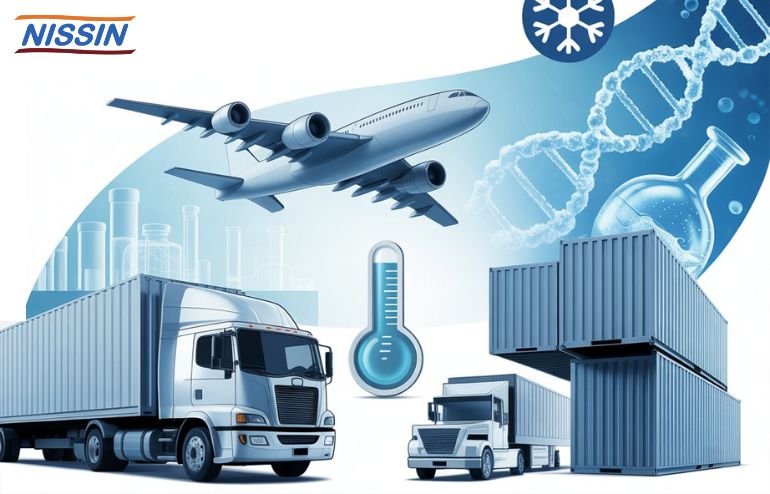
The global pharmaceutical industry relies heavily on efficient and secure pharma logistics to deliver life-saving medications and treatments to patients worldwide. Among the many challenges in this sector, maintaining proper temperature control during transportation stands out as a critical factor. Every shipment is a race against time and temperature. A single degree of deviation can compromise the efficacy of sensitive pharmaceutical products, leading to significant financial losses and, more importantly, risks to patient health.

From insulin to monoclonal antibodies and mRNA vaccines, maintaining temperature stability is non-negotiable.

In this blog, we’ll explore why temperature control is indispensable in pharma logistics, the role of cold chain logistics, and how proper pharma shipping practices can safeguard the integrity of pharmaceutical products. Whether you’re a logistics professional or a stakeholder in the pharmaceutical industry, understanding these principles is key to ensuring safe and effective delivery.

Why Temperature Control in Pharma Logistics Is Essential?

Pharmaceutical products are fragile and highly sensitive to environmental changes. A temperature deviation—even for a few hours—can cause irreversible damage.

Here’s what happens when temperature control fails:

1. Loss of Potency – Medications lose their intended therapeutic effect.

2. Chemical Breakdown – Active ingredients degrade, making drugs ineffective.

3. Increased Health Risks – Substandard drugs can lead to dangerous side effects.

4. Regulatory Violations – Companies face fines, recalls, and damaged reputations.

5. Financial Losses – Spoiled pharmaceuticals result in significant waste and supply chain disruptions.

According to the World Health Organization (WHO), up to 50% of vaccines are wasted globally due to improper cold chain management. This highlights the need for robust pharmaceutical logistics solutions that safeguard temperature-sensitive products from production to patient.

Leading pharmaceutical manufacturers and distributors rely on logistics experts like Nissin Belgium to navigate these complexities.

Challenges in Pharma Shipping

Transporting pharmaceuticals isn’t just about moving products from point A to point B. It involves navigating a complex web of challenges, including:

1. Temperature Variability: External conditions, such as extreme heat or cold, can impact the internal environment of shipping containers.

2. Regulatory Compliance: Pharmaceutical companies must adhere to strict guidelines set by agencies like the FDA and WHO, which mandate precise temperature control.

3. Global Distribution: Shipping pharmaceuticals across borders introduces additional complexities, such as varying climate conditions and customs delays.

To address these challenges, companies invest in advanced cold storage for pharmaceuticals and specialized pharmaceutical logistics solutions. These systems use real-time monitoring and data logging to track temperature conditions throughout the journey, ensuring compliance and product safety.

The Role of Cold Chain Logistics

Cold chain logistics is the backbone of temperature-sensitive pharmaceutical transportation. It involves a combination of technology, infrastructure, and expertise to maintain the integrity of products.

1. Specialized Packaging: Insulated containers, phase change materials, and dry ice are commonly used to maintain the required temperature.

2. Real-Time Monitoring: IoT-enabled sensors provide real-time data on temperature, humidity, and location, allowing for immediate corrective action if deviations occur.

3. Trained Personnel: Skilled professionals are essential to handle and monitor pharmaceutical shipments, ensuring compliance with industry standards.

By integrating these elements, pharma logistics providers can minimize risks and deliver products safely and efficiently.

Best Practices for Temperature-Controlled Pharma Logistics

To ensure the safe transportation of pharmaceuticals, consider the following best practices:

1. Partner with Experienced Logistics Providers: Choose a logistics partner with a proven track record in pharmaceutical logistics. Their expertise and infrastructure can make all the difference.

2. Implement Robust Monitoring Systems: Use IoT-enabled sensors and data loggers to track temperature conditions in real-time.

3. Train Your Team: Ensure all personnel involved in the process are trained in handling temperature-sensitive products.

4. Plan for Contingencies: Develop contingency plans to address potential disruptions, such as equipment failures or delays.

Why Choose Nissin Worldwide for Your Pharma Logistics Needs?

When it comes to transporting temperature-sensitive pharmaceuticals, you need a logistics partner you can trust. At Nissin, we specialize in pharma shipping and cold chain logistics, offering tailored solutions to meet your unique needs.

Our services include:

1. Advanced cold storage for pharmaceuticals

2. Real-time temperature monitoring

3. Global network with expertise in pharmaceutical freight

4. Compliance with international regulatory standards

Let us help you navigate the complexities of pharma logistics and deliver your products safely and efficiently.

Conclusion

Temperature control is not just a logistics challenge—it’s a healthcare imperative. The ability to safeguard pharmaceutical products during transit directly impacts patient safety, regulatory compliance, and financial performance.

With its expertise in Cold Chain Logistics, Nissin Belgium provides reliable, compliant, and cost-effective solutions for Pharmaceutical Freight. Whether you need temperature-controlled ocean freight, real-time tracking, or specialized Cold Storage for Pharmaceuticals, we ensure your shipments arrive safely, on time, and in perfect condition.

Secure your pharmaceutical shipments with Nissin Belgium today. Learn more about our logistics solutions here. Contact us at +32 2 751 44 99 or email HowCanIHelpYou@be.nissin-eu.com for more information.

17 Feb 2025
Marine insurance

Marine insurance: Protecting Your Goods in transit

Shipping goods across the globe is an essential aspect of modern commerce. However, it comes with a range of challenges. Unexpected weather, accidents, and delays can put valuable shipments at risk. Marine insurance plays an important role in shielding your business from these uncertainties.

Consider This Scenario: you’re shipping a container of fresh produce overseas. Suddenly, a storm hits and causes significant delays. Without the right coverage, the financial consequences could be devastating. Marine cargo insurance offers a safety net, covering potential damages or losses and protecting your business during these unexpected events.

Why Marine Insurance is Important

Shipping goods involves uncertainty, and each shipment presents unique risks. For example, reefer containers of electronics or perishable goods can face issues on the high seas. Without proper insurance, even one mistake can result in significant financial loss. Cargo protection insurance steps in to protect your goods, covering you in case of accidents, delays, or theft.

Types of Marine Insurance Coverage

When choosing marine insurance, there are several coverage options to consider. Each offers varying degrees of protection depending on the nature of the shipment.

1. All-Risk Coverage:

This is the most extensive option, covering most potential risks, including accidents, theft, and natural disasters. For high-value goods, all-risk coverage offers the most complete protection.

2. Named Perils Coverage:

This policy protects only against specific risks listed in the agreement, such as fire, piracy, or certain weather events. While it’s a more affordable option, it doesn’t provide as broad protection as all-risk coverage.

3. Warehouse-to-Warehouse Coverage:

This coverage protects your goods from the point of origin to the final destination, including any storage facilities along the way. If your shipment requires temporary storage during transit, warehouse-to-warehouse coverage makes sure that goods are still covered.

Benefits of Marine Insurance

Investing in marine insurance brings several advantages that can help safeguard your business:

1. Financial Protection

A key benefit of shipping insurance policies is that they shield your company from significant financial losses due to damaged or lost goods. This protection is especially important when dealing with high-value or sensitive shipments.

2. Risk Management

By securing cargo protection insurance, businesses can better manage potential shipping risks. Instead of worrying about unexpected events, you can focus on running your business, knowing that your goods are covered.

3. Peace of Mind

When your goods are covered by marine risk management, you can ship with confidence. It’s one less thing to stress about during the transportation process. With cargo protection insurance in place, you can be confident that your shipments are secure every step of the way.

Nissin Belgium’s Marine Insurance and Freight Services

For businesses seeking reliable logistics solutions, Nissin Belgium offers a variety of services that meet your shipping and insurance needs. Our team helps businesses manage complex shipping requirements while offering flexible solutions.

1. Full Container Load (FCL) and Less Than Container Load (LCL)

No matter the size of your shipment, we accommodate both full and partial loads. This flexibility allows businesses to optimize their shipping costs and reduce unnecessary expenses.

2. Temperature-Controlled Shipping

For perishable goods that require a stable environment, we provide reefer containers. These containers maintain the necessary temperature, making sure that temperature-sensitive goods arrive in optimal condition.

3. Shipping of Dangerous Goods

Nissin is experienced in managing sensitive shipments, including risk or restricted goods. We adhere to safety regulations and offer the expertise needed to ship these items securely.

4. Oversized Cargo

Shipping oversized goods requires careful planning. We offer specialized solutions for these types of shipments, including customized packing and handling services to prevent damage during transit.

By partnering with Nissin Belgium, you gain access to their global network, advanced logistics capabilities, and complete marine risk management solutions. Our expertise helps businesses minimize risks while simplifying operations.

Final Thoughts

To sum up, marine insurance is vital in protecting your business and shipments during transit. With various coverage options, such as all-risk and named perils, businesses can choose the best policy for their needs.

Furthermore, by partnering with a trusted provider like Nissin Belgium, we make sure your cargo is transported safely and efficiently, no matter where it’s headed.

If you’re looking to protect your goods during transit, don’t hesitate to reach out to Nissin Belgium. Contact us at +32 2 751 44 99 or email HowCanIHelpYou@be.nissin-eu.com for more information.

07 Feb 2025
Cold Chain Logistics

Cold Chain Logistics: Why Air Shipping is the Next Frontier for Temperature-Sensitive Goods

In the world of logistics, the transportation of temperature-sensitive goods demands precision and reliability. Industries such as pharmaceuticals, food, and chemicals rely on maintaining specific temperatures to preserve product integrity. Air shipping has emerged as a pivotal solution in cold chain logistics, offering exceptional speed and control.

As such, let’s learn the advantages of air shipping for temperature-sensitive goods, compare it with traditional train freight transport, and highlight key solutions for effective cold chain transport management.

The Growing Importance of Cold Chain Logistics

The global demand for temperature-sensitive products is rapidly increasing. Pharmaceuticals require strict temperature controls to maintain effectiveness, while perishable foods demand swift transportation to preserve freshness. As international trade expands, the need for efficient cold chain logistics becomes more pronounced. Air shipping addresses these challenges by providing:

1. Speed: Rapid transit times minimize exposure to fluctuating temperatures, reducing the risk of spoilage.

2. Reliability: Advanced tracking systems ensure real-time monitoring of shipments, improving transparency and accountability.

3. Global Reach: Extensive airline networks simplify access to remote and international markets, broadening distribution capabilities.

Advantages of Air Shipping in Cold Chain Logistics

1. Reduced Transit Times

Airplanes cover vast distances quickly, significantly cutting down transit times. For perishable goods logistics, every hour counts. Faster delivery means products spend less time in transit, reducing the risk of spoilage and maintaining quality.

2. Minimized Handling

Fewer transfers between different modes of transport mean less exposure to temperature fluctuations. Each handling point introduces potential risks; minimizing them is key to preserving product integrity, especially in cold-chain transport.

3.  Advanced Temperature Control

Modern aircraft are equipped with advanced refrigerated air cargo systems. These systems maintain stable temperatures throughout the journey, ensuring that products remain within the required temperature range from origin to destination.

4. Enhanced Security

Air freight often involves fewer touchpoints compared to other modes of transport, reducing the likelihood of theft or damage. Additionally, airports typically have higher security measures, further safeguarding valuable or sensitive goods.

Air Shipping vs. Train Freight Transport

While train freight transport has its merits, it faces certain limitations when it comes to temperature-sensitive goods:

1. Speed: Trains are generally slower, taking days or even weeks to reach their destination. In contrast, airplanes can complete the same journey in a fraction of the time, which is vital for perishable goods logistics.

2. Temperature Control: Rail cargo often experiences multiple loading and unloading points, leading to potential temperature fluctuations. Air shipping offers a more controlled environment with fewer handling points.

3. Route Flexibility: Trains operate on fixed tracks, which can cause delays due to unforeseen circumstances. Airplanes can adjust routes dynamically to avoid disruptions, ensuring timely deliveries.

For industries that depend on freshness, air shipping stands out as the better choice over rail and air freight logistics.

Storage and Cold Chain Solutions

Effective cold chain logistics extend beyond transportation. Proper storage solutions are essential to maintain product quality:

1. Refrigerated Air Freight Compartments: Aircraft are equipped with climate-controlled cargo areas that maintain steady temperatures throughout the journey, protecting temperature-sensitive goods.

2. Specialized Warehousing: Cold storage solutions make sure that goods remain fresh until they are ready for shipment.

3. Real-Time Monitoring: Sensors track temperature changes continuously, alerting logistics teams to any deviations from the desired range, and allowing for prompt corrective actions, especially during cold chain transport.

Nissin Belgium’s Expertise in Air Shipping

At Nissin Belgium, we specialize in air shipping solutions customized for temperature-sensitive goods. Our services include:

1. Expert Handling and Care: Our team understands the delicate nature of cold chain logistics and follows strict procedures to maintain product quality.

2. State-of-the-art technology: We utilize real-time temperature monitoring and advanced tracking systems to safeguard every shipment.

3. End-to-End Solutions: From warehousing to final delivery, we provide smooth cold chain transport that protects perishable goods logistics from start to finish.

4. Specialized Warehousing: Our facilities are equipped with advanced cold storage solutions to keep products fresh until they are ready for shipment.

5. Customs Services: We handle all customs procedures, making sure that your goods comply with international regulations and reach their destination without delay.

6. Special Handling: We offer custom logistics solutions that combine flexibility, efficiency, and ergonomics to meet your specific needs.

With years of experience in cold storage solutions and perishable goods logistics, we support your products to reach their destination fresh and intact.

The Future of Air Shipping in Cold Chain Logistics

Looking ahead, the future of air shipping in cold chain logistics is promising. With growing demand for quick, safe delivery, industries are turning to air transport more and more.

Furthermore, new technologies are making it even easier to track and control temperatures throughout the journey.

Final Thoughts

The demand for temperature-sensitive goods is growing, and businesses need fast, reliable solutions. Air shipping provides exceptional speed, fewer handling risks, and stable temperature control. As a result, industries are shifting toward air freight to maintain product integrity.

At Nissin Belgium, we understand the challenges of cold chain logistics. That’s why we offer solutions that combine technology, expertise, and smooth transportation. For more information on our air shipping services, contact us at +32 2 751 44 99 or email us at HowCanIHelpYou@be.nissin-eu.com.

The future of cold chain transport is in the sky. Make the right choice today, and let air shipping take your business to new heights.