
Why Multimodal Transport Is Becoming Essential for European Supply Chains
Over the past few years, European supply chains have faced growing pressure from market volatility, geopolitical uncertainty, rising transportation costs and increasing sustainability demands. As businesses continue to navigate these challenges, relying on a single mode of transport is no longer enough to ensure flexibility and continuity.
That is why multimodal transport is becoming an increasingly important strategy for companies operating across Europe and beyond.
By combining different transportation modes such as road, rail, ocean and air freight, businesses can build more resilient, efficient and adaptable supply chains that are better prepared for disruptions and changing market conditions.
What Is Multimodal Transport?
Multimodal transport refers to the movement of goods using two or more different modes of transportation under a coordinated logistics strategy. Instead of depending entirely on one transport solution, shipments can be optimized based on transit time, cost efficiency, sustainability goals and route availability.
For example:
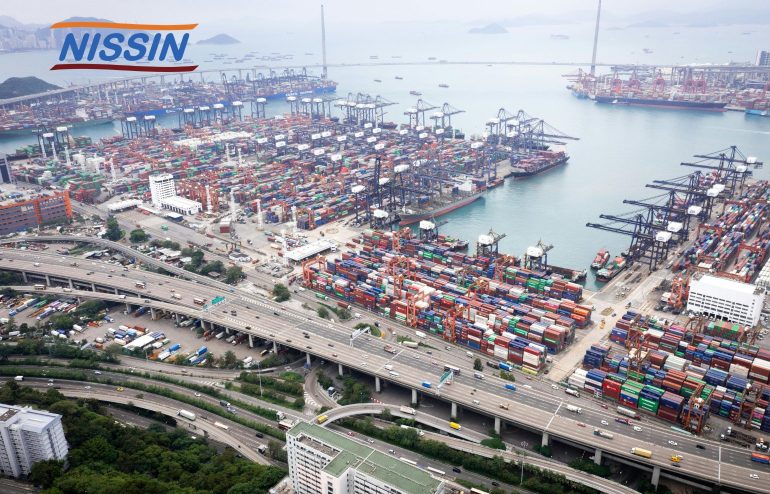
- Ocean freight can be used for long-distance international transport.
- Rail freight can support sustainable inland transportation across Europe.
- Road transport ensures flexible local distribution.
- Air freight can handle urgent or time-critical shipments.
By integrating these transport methods, businesses gain greater control over their supply chain operations while reducing dependency on a single transport network.
Why European Supply Chains Need More Flexibility
Supply chain disruptions have become increasingly common in recent years. Congestion at ports, driver shortages, geopolitical tensions and fluctuating fuel prices continue to impact transportation networks throughout Europe.
At the same time, customer expectations are evolving. Businesses are expected to deliver goods faster, more reliably and with greater transparency than ever before.
This growing complexity makes flexibility a key competitive advantage.
Multimodal transport allows companies to quickly adapt when disruptions occur. If one route or transportation mode becomes unavailable or delayed, alternative solutions can often be implemented without significantly impacting the overall supply chain.
For many industries, this flexibility is no longer optional. It is essential for maintaining business continuity.
Sustainability Is Driving Change
Sustainability is also playing a major role in the growing adoption of multimodal logistics solutions.
Many companies are actively working to reduce their carbon footprint and meet stricter environmental targets. Transportation is a significant contributor to supply chain emissions, especially when relying heavily on road freight alone.
By incorporating rail or ocean freight into logistics operations where possible, businesses can significantly reduce CO₂ emissions while maintaining efficient cargo movement.
Rail freight, in particular, is becoming an increasingly attractive option for European supply chains thanks to lower emissions, reduced road congestion, and improved long-distance efficiency.
As sustainability regulations continue to evolve, multimodal transport will likely become an even more important part of future logistics strategies.
How Multimodal Transport Balances Speed, Cost and Reliability
Every shipment comes with different priorities. Some products require fast delivery, while others prioritize cost optimization or sustainability.
Multimodal transport allows businesses to balance these priorities more effectively.
Urgent or high-value goods, for example, may benefit from air freight, while less time-sensitive cargo can move through rail or ocean freight networks, supported by road transport for final delivery. This combination helps businesses optimize transportation costs without compromising reliability or service quality.
Rather than applying a one-size-fits-all logistics model, multimodal transport enables companies to tailor solutions to the specific needs of their products, customers and markets.
The Importance of Logistics Coordination
While multimodal transport offers significant advantages, it also requires strong coordination and visibility across the entire supply chain.
Managing multiple transport modes, carriers, customs processes and delivery schedules can quickly become complex without the right logistics expertise.
Successful multimodal transport depends on:
- efficient planning,
- clear communication,
- accurate documentation,
- real-time shipment visibility,
- and proactive problem-solving.
This is where experienced logistics partners play an important role. By coordinating transport flows across different networks and regions, businesses can maintain efficiency while reducing operational risks.
Building More Resilient Supply Chains for the Future
European supply chains are continuing to evolve in response to economic, environmental and operational challenges. Businesses that invest in flexible and diversified logistics strategies are often better positioned to adapt to changing market conditions.
Multimodal transport is no longer simply an alternative logistics model. It is becoming a strategic necessity for companies seeking greater resilience, sustainability and efficiency across their supply chains.
As transportation networks become increasingly interconnected, the ability to combine road, rail, ocean and air freight effectively will play a key role in the future of European logistics.
At Nissin Transport Belgium, multimodal logistics solutions help businesses create more flexible and reliable supply chains tailored to their operational needs, industry requirements and long-term growth strategies.
