
Why Real-Time Visibility Is Becoming Critical in Pharma Logistics
Pharmaceutical supply chains have become more connected, more global and more time-sensitive than ever before. At the same time, customer expectations, regulatory requirements and product complexity continue to increase.
In this environment, simply knowing where a shipment is no longer provides enough information. Real-time visibility allows businesses to monitor critical shipments throughout their journey, anticipate potential disruptions and make informed decisions before small issues become major supply chain problems.
This blog explores the difference between shipment tracking and true real-time visibility, the information that pharma companies need to monitor, and how timely data can help logistics teams identify risks, manage exceptions and act before disruptions affect the wider supply chain.
Visibility Is More Than Knowing Where a Shipment Is
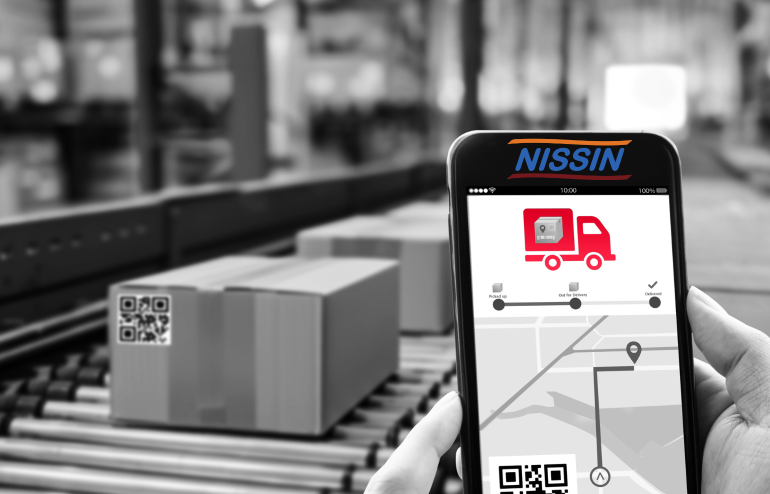
Shipment tracking has long been a standard feature in logistics. Today, however, pharmaceutical companies increasingly need more than a map showing where a shipment is.
True supply chain visibility combines location data with operational information that helps logistics teams understand what is happening and what may happen next.
This can include:
- current shipment location,
- estimated time of arrival,
- planned and completed transport milestones,
- route deviations,
- temperature conditions where applicable,
- customs or transfer status,
- and alerts for potential delays or exceptions.
The difference is important. Tracking tells a business where a shipment is. Visibility provides the context needed to determine whether the shipment is progressing as expected and whether action may be required.
What Pharma Companies Need to See in Real Time
For pharmaceutical shipments, not every logistics event carries the same level of risk. A minor delay on one shipment may have little operational impact, while a similar delay on a temperature-sensitive or time-critical delivery could require immediate intervention.
This makes the ability to identify relevant exceptions particularly important.
Logistics teams may need to monitor:
- delays against planned milestones,
- unexpected route changes,
- missed connections or handovers,
- customs clearance progress,
- temperature conditions for sensitive shipments,
- and changes to expected delivery times.
Having access to this information early gives teams more time to assess the situation and determine the appropriate response.
Supporting Compliance and Product Integrity
In pharmaceutical logistics, a delay is not necessarily just a delivery problem. Depending on the product and shipment requirements, an unexpected delay can affect inventory availability, clinical trial schedules, temperature conditions or downstream distribution plans.
This is why visibility is particularly valuable when disruptions occur. If a shipment is delayed, logistics teams can assess its potential impact earlier and explore alternative solutions before the situation escalates.
For example, knowing that a shipment is likely to miss a planned connection provides an opportunity to investigate alternative routing or delivery options. Without timely information, that opportunity may only arise once the shipment has already been delayed.
Turning Visibility into Proactive Risk Management
The real value of visibility becomes clear when something does not go according to plan. Instead of waiting for a shipment to arrive late, logistics teams can use automated alerts and exception management to identify potential problems earlier.
This changes the role of logistics from reactive to proactive. Teams can prioritize shipments that require attention, investigate the cause of a disruption and coordinate corrective action before the issue has a wider impact on the supply chain.
For pharmaceutical companies managing high-value, sensitive or time-critical products, this ability to act before a problem escalates can be particularly valuable.
Real-time visibility also creates valuable data that can support better transport planning and supply chain decisions. By analysing shipment performance and recurring exceptions, businesses can identify patterns, improve processes and strengthen logistics strategies over time.
The Future of Pharma Logistics
As pharmaceutical supply chains become increasingly complex, visibility will continue to play an important role in managing risk, maintaining compliance and supporting reliable healthcare logistics.
At Nissin Transport Belgium, specialized Life Sciences logistics solutions combine operational expertise with reliable shipment visibility to support complex pharmaceutical supply chains. Through Lifelink Logistics and Lifelink 360, businesses benefit from GDP-compliant transport solutions designed to provide greater transparency, coordination and control across their shipments.
Ready to improve visibility across your pharma supply chain?
Whether you manage clinical trial materials, temperature-sensitive products or time-critical healthcare shipments, our experts can help you build a more transparent and resilient logistics operation. Get in touch to discover how Nissin Transport Belgium and Lifelink Logistics can support your business.
