

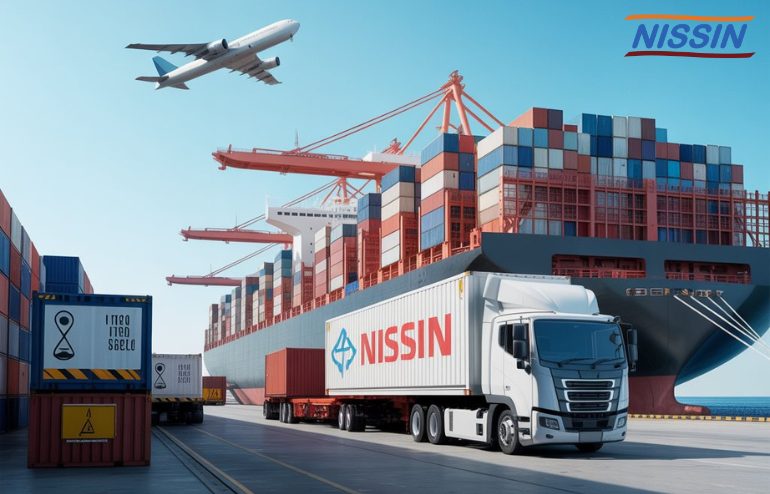
Which Shipping Method Poses the Most Restrictions for Lithium Batteries?
Lithium batteries power phones, laptops, medical devices, industrial tools, and EV technology, yet moving them across borders is far from simple. Their chemistry makes them sensitive to heat, impact, and pressure, which is why international rules treat them as dangerous goods. If you manage global movement of batteries or equipment containing them, you already know how much detail goes into safe and compliant lithium ion battery shipping.
So which shipping method carries the toughest restrictions? In most cases, it’s air transport, but the full picture involves understanding how each mode handles risk and regulatory requirements.
Why Lithium Batteries Face Intensive Controls
Lithium cells can enter thermal runaway if damaged, improperly packed, or exposed to heat. This risk has led to strict regulations worldwide.
Anyone involved in lithium ion battery shipping must follow testing, labeling, paperwork, packaging rules, and carrier-specific requirements. Many businesses work with specialized logistics partners such as Nissin Belgium to stay compliant as regulations shift.
Here are key factors behind the strong controls:
1. Fire risks escalate quickly
2. Batteries come in many forms with different hazard levels
3. Shipping volumes continue to grow globally
4. Incidents from past decades led to updated and stricter rules
Air Transport: The Most Restrictive Route
Airlines operate with no tolerance for risk. A fire mid-flight is a serious emergency, so aviation bodies use tight rules.
Air transport restrictions often include:
1. State of charge limits (example: below 30 percent)
2. Limits on standalone batteries
3. Bans on damaged or recalled units
4. Certified packaging with impact and heat resistance
5. Mandatory training for handlers
6. Strict documentation review before acceptance
This makes air freight the toughest option for lithium ion battery shipping. It follows IATA and ICAO guidelines, which are updated frequently. Many manufacturers work with experts to avoid refused shipments or costly delays.
Sea Transport: Flexible Capacity, Moderate Restrictions
Shipping containers allow large battery volumes, but ocean transport still comes with rules designed to prevent fires in closed spaces.
Key points for sea freight:
1. Correct stowage inside containers
2. Clear hazardous materials labeling
3. Segregation from fuel sources
4. Temperature monitoring for certain cargo types
5. Strong packaging to handle long transit times
Even though ocean freight is more forgiving, lithium ion battery shipping regulations still apply. Missed paperwork can delay loading or cause customs issues at the destination.
Road and Rail: Regional Rules but Manageable Compliance
Road and rail transport offer steady movement across cities and regions. Yet they still follow global and regional rules.
Important pointers for land transport:
1. Protective packaging that can withstand vibration
2. ADR rules for European cross-border movement
3. Placards and labels for dangerous goods
4. Specialized handling for damaged units
5. Documentation that clearly states UN classifications
This middle-ground approach gives businesses flexibility while still controlling the risks associated with lithium batteries. Many companies rely on logistics guidance from providers like Nissin Belgium to navigate these details.
Different Battery Types Come With Different Restrictions
Not all batteries are treated the same. Restrictions depend on form, condition, and packaging style.
| Type of Battery | Restrictions and Notes |
|---|---|
| Inside equipment | Least restrictive, common for consumer electronics |
| Packed with equipment | Requires separation inside packaging |
| Standalone batteries | Highest risk category for air transport |
| Damaged/defective units | Often banned from aircraft entirely |
| Recalled batteries | Extremely limited transport options |
| High-capacity industrial packs | Require reinforced cases and documented testing |
| Prototype batteries | Usually need special approval and extra packaging |
Certified lithium ion battery shipping cases help reduce risks from shock, vibration, and heat exposure during transport.
Additional Pointers That Impact Shipping Restrictions
Here are extra factors that influence how restrictive a shipment becomes:
1. Battery Capacity
Higher watt-hours often fall under stricter categories.
2. Packaging Quality
Poorly designed packaging increases the chance of rejection.
3. Country-Specific Restrictions
Some regions apply additional rules beyond international guidelines.
4. Airline or Carrier Policies
Certain carriers refuse standalone batteries entirely.
5. Seasonal Temperature Concerns
Extreme heat or cold can limit which routes or methods are safe.
6.Bulk Shipping Considerations
Large shipments may require special approval or inspections.
7. Prototype or Pre-Production Units
Not yet certified through UN38.3 testing, so they require alternative documentation.
8. Shipper’s Track Record
Carriers may increase scrutiny if past non-compliance occurred.
Why Air Freight Still Tops the List
Airlines cannot risk on-board fires. Each incident in aviation history has contributed to today’s strict rules. The tight controls aren’t there just for compliance; they’re designed to keep passengers, crew, and cargo safe.
So while all transport modes have regulations, air remains the most controlled path for lithium ion battery shipping of all kinds.
Why Compliance Matters for Every Business
Mistakes in this field can lead to:
1. Shipment rejections
2. Delays that affect production schedules
3. Fines
4. Safety hazards
5. Carrier blacklisting
6. Increased inspection rates later
Keeping up with lithium ion battery shipping regulations protects the supply chain and keeps cargo moving. Many companies rely on international logistics teams who specialize in dangerous goods to avoid delays and maintain safety.
Work With Experts Who Understand Lithium Battery Transport
Companies moving batteries regularly benefit from partners who understand packaging, regulations, documentation, and real-world logistics challenges. A knowledgeable team keeps shipments smooth and predictable.
Logistics providers such as Nissin Belgium help businesses handle global battery shipments with confidence, offering support for classification, packaging, testing requirements, documentation, and transport planning.
Ready for Smooth and Compliant Lithium Battery Shipping?
If you need support with international battery transport, proper packaging, or regulatory guidance, help is available.
Explore solutions and certified packaging options through LIB Village. Our team is ready to assist you. Call +32 2 751 44 99 or email HowCanIHelpYou@be.nissin-eu.com for prompt and professional support with safe lithium ion battery shipping across air, sea, road, and rail routes.
A knowledgeable partner keeps your supply chain safe and reliable.
