Why Warehousing Is No Longer Just Storage but a Strategic Logistics Function
Modern supply chains move faster and operate across more regions than ever before. Businesses ship goods between continents, manage multiple suppliers, and respond to changing customer demand in real time. In this environment, warehousing has evolved far beyond its traditional role as a storage facility.
Today, warehousing serves as a strategic logistics function that supports inventory control, distribution planning, and efficient product movement. Companies that invest in well organized warehousing systems gain better operational visibility, faster delivery capabilities, and stronger supply chain coordination.
The Evolution of Warehousing in Global Logistics
Traditional warehouses focused on one task: storing goods safely until they were needed. That model worked when supply chains moved slowly and distribution networks were simpler.
Modern logistics operates very differently. Businesses must manage international shipments, e-commerce orders, and high customer expectations for quick delivery.
Because of this shift, warehousing now acts as an operational hub where inventory management, product handling, and shipping coordination take place.
Companies rely on integrated logistics warehousing solutions that connect warehouse operations with digital inventory systems and transportation networks. This integration allows logistics teams to monitor product movement, adjust stock levels, and respond quickly to changes in demand.
Instead of functioning as a passive storage space, the warehouse has become a dynamic control point within the supply chain.
Supporting Efficient Supply Chain Warehousing
A well structured supply chain warehousing strategy allows businesses to maintain a steady flow of goods between manufacturers, distributors, and customers.
Strategically positioned warehouses allow companies to place inventory closer to key markets. This positioning shortens delivery times and reduces transportation costs.
For example, products entering Europe from overseas suppliers may be stored in regional warehouses before being distributed to different countries. From these facilities, goods can be sorted, packed, and dispatched efficiently.
This type of warehousing strategy helps companies maintain product availability while responding quickly to fluctuations in demand.
Without strong supply chain warehousing, businesses often struggle with delayed shipments, inventory shortages, and inefficient distribution processes.
Inventory Control and Visibility
Modern warehousing systems rely on digital tools that track product movement in real time. These systems provide accurate inventory information across multiple facilities and logistics networks.
This level of visibility helps businesses monitor stock levels, track product locations, and coordinate shipments more effectively.
With advanced logistics warehousing solutions, logistics teams can quickly identify inventory shortages, avoid overstocking, and manage replenishment schedules.
Clear inventory insights allow companies to maintain balance between supply and demand while minimizing operational disruptions.
Coordinating With Freight Transportation Services
The strategic importance of warehousing becomes even more clear when it is connected with freight transportation services.
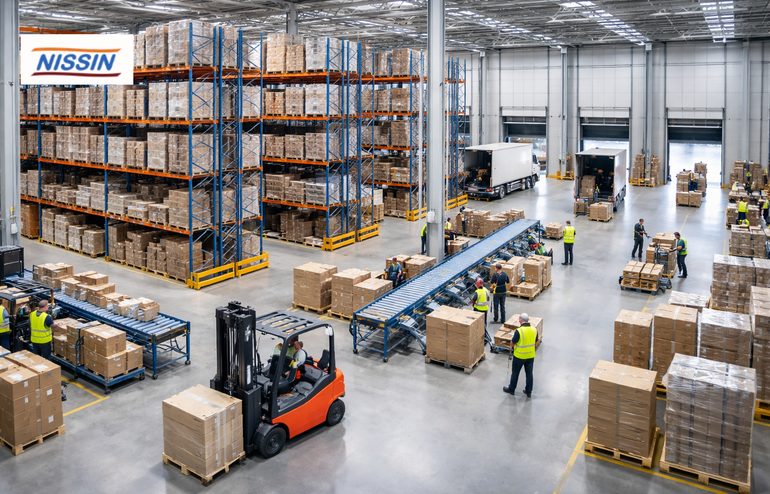
Warehouses often serve as the meeting point between incoming shipments and outgoing distribution routes. Goods arriving from suppliers are received, inspected, sorted, and prepared for delivery.
This coordination allows logistics teams to organize shipments efficiently before they enter transportation networks.
Some warehouses also support cross docking operations, where goods arriving from one shipment are transferred directly to outbound vehicles heading to their next destination.
This process reduces storage time and speeds up delivery cycles, highlighting how warehousing supports faster logistics operations.
Value Added Logistics Capabilities
Modern warehousing facilities often provide additional services that help businesses simplify distribution processes.
These services may include:
- Product labeling and packaging
- Order assembly and consolidation
- Quality inspection and sorting
- Product repacking for different markets
- Returns handling and reverse logistics
These capabilities allow businesses to manage several distribution tasks within a single logistics environment.
Through integrated logistics warehousing solutions, companies can streamline operations while reducing handling costs and operational complexity.
Supporting Integrated End-to-End Logistics Solutions
Businesses increasingly prefer logistics providers that can manage the entire supply chain rather than relying on separate service providers.
Strategic warehousing plays a key role in delivering these integrated end-to-end logistics solutions.
Warehouses connect incoming shipments, inventory systems, and transportation networks within one coordinated logistics structure. This integration helps businesses track shipments from the moment goods leave the supplier until they reach the final destination.
When warehousing works alongside freight transportation services, companies benefit from smoother product movement, improved coordination, and better supply chain visibility.
A Trusted and Flexible Partner in Warehousing
Before or after shipping, goods often require secure storage as part of the logistics process. A reliable logistics partner plays an important role in providing the right storage environment for different types of cargo.
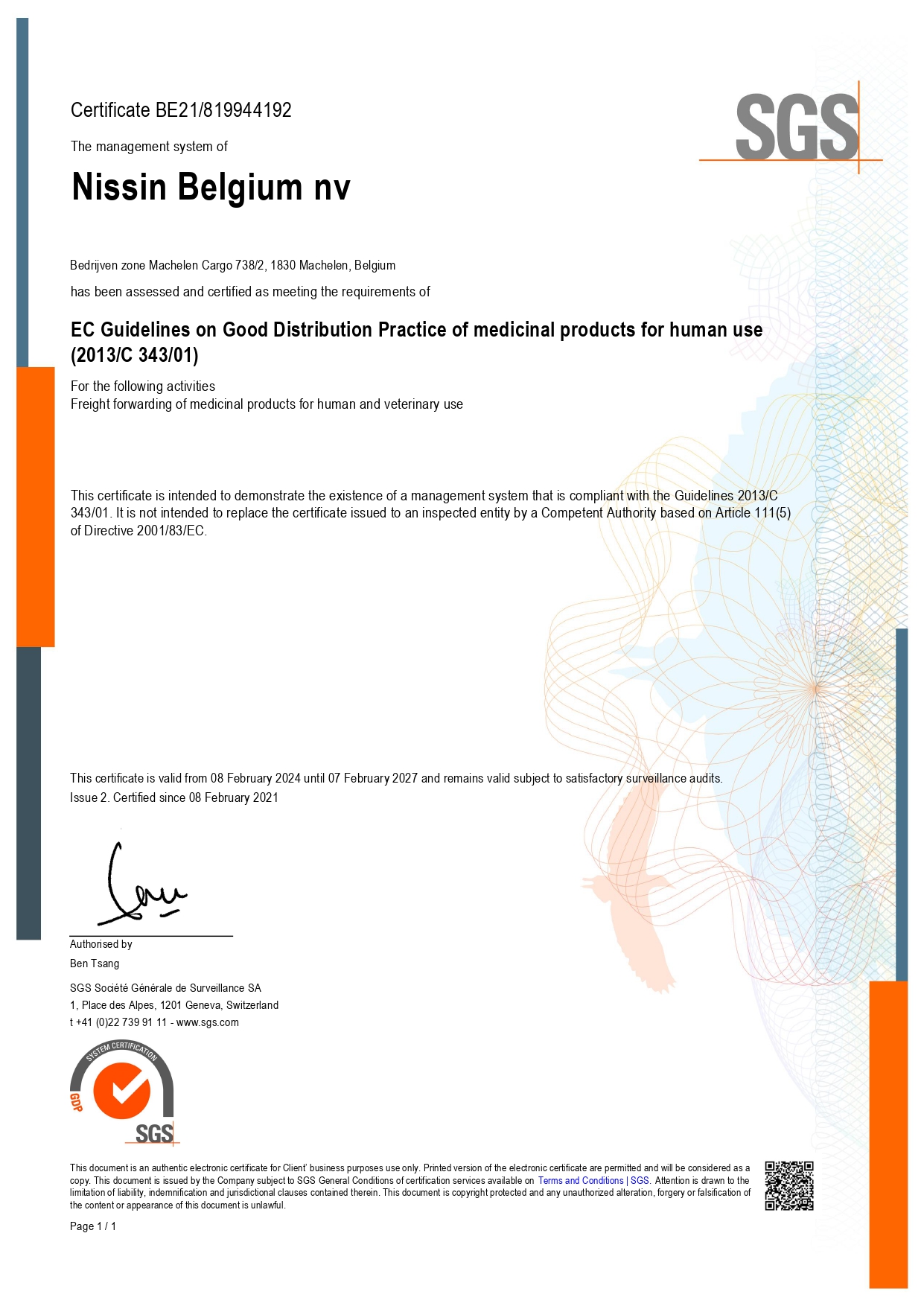
Nissin Belgium provides global warehousing capabilities through a network of facilities worldwide. In Belgium, strategic warehouse locations include Antwerp South, Brussels, Saint-Ghislain and Liège. These locations allow efficient handling of goods arriving through major logistics corridors.
Nissin Belgium supports a wide range of warehousing services designed to accommodate different types of cargo and operational requirements.
Available storage and handling solutions include:
- General warehousing
- Bonded warehousing
- Temperature controlled storage
- Dangerous goods facilities with relevant certifications
- Storage facilities for heavy equipment
- 24 hour delivery capabilities
- Packing, repacking, and consolidation services
- Easy loading and unloading from the side or back
- Heavy duty pallets
- Equipment capable of handling Big Bags, coils, paper rolls, and fabric rolls
These facilities allow businesses to store goods securely while maintaining efficient access for distribution and transportation.
In addition to internal expertise, Nissin collaborates with carefully selected logistics partners to provide reliable logistics warehousing solutions that meet diverse operational needs.
If your business requires dependable logistics warehousing solutions, integrated freight transportation services, and complete end-to-end logistics solutions, the experienced team at Nissin Belgium is ready to assist. Please call us at +32 2 751 44 99 or email your requirements to HowCanIHelpYou@be.nissin-eu.com for prompt and professional support.