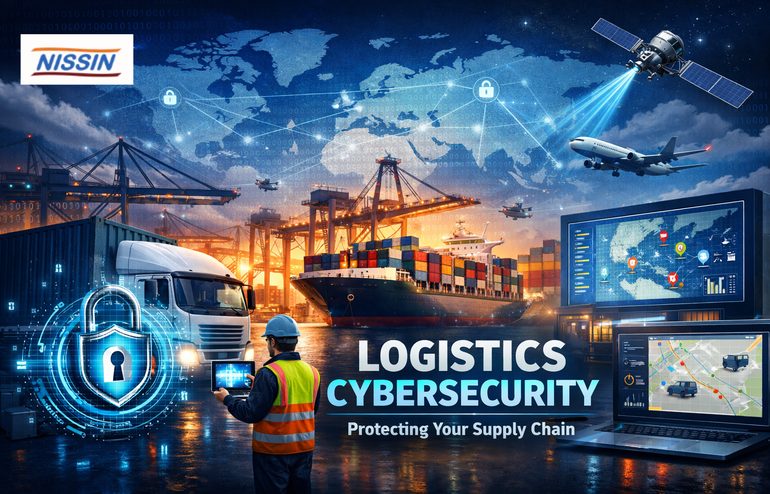
Logistics Cybersecurity: How to Protect Your Supply Chain from Digital Threats
Global supply chains today depend heavily on digital systems. Freight booking platforms, cargo tracking software, warehouse automation tools, and vehicle monitoring systems all work together to move goods across countries and continents. These technologies help companies manage shipments with greater efficiency and visibility.
However, the increasing reliance on digital infrastructure has also introduced serious cybersecurity concerns. Businesses that depend on reliable logistics services must now address cyber threats that target transportation systems, shipment databases, and operational platforms. A successful cyber-attack can interrupt deliveries, expose confidential cargo information, and disrupt supply chain operations.
Understanding how cyber threats affect logistics networks and learning how to respond to them has become an essential part of modern supply chain management.
Why Cybersecurity Is Critical for Logistics Operations
Logistics companies handle large volumes of operational data every day. Shipment schedules, transport routes, inventory records, financial transactions, and customs documentation are all stored in digital systems.
Because of the value of this information, logistics networks have become attractive targets for cybercriminals. A breach in these systems can cause shipment delays, financial losses, and operational disruptions.
Organizations that provide logistics services must protect both physical cargo and digital infrastructure. Cybersecurity plays a major role in keeping supply chains stable and protecting sensitive business data.
Real World Logistics Cybersecurity Risks
Several real incidents have shown how vulnerable supply chains can be to digital threats. Understanding these logistics of cybersecurity risks helps companies prepare stronger defenses.
Global Shipping Disruption from Ransomware
One of the most widely known cyber incidents in logistics occurred in 2017 when a ransomware attack targeted the global shipping company Maersk. The malware spread rapidly through the company’s computer network and disabled thousands of systems.
The attack forced port terminals to shut down, disrupt cargo tracking, and halted shipping operations across multiple countries. As a result, the company experienced major financial losses and had to rebuild large parts of its IT infrastructure.
This incident demonstrated how cyber-attacks can affect global supply chains and disrupt critical logistics services.
Cargo Theft Linked to Data Breaches
In several reported cases across Europe and North America, cybercriminals gained access to shipment databases and identified high value cargo such as electronics and pharmaceutical products.
After accessing this information, criminals impersonated transportation companies and redirected cargo to unauthorized warehouses. These incidents highlight the importance of strong logistics data protection because shipment information can become a tool for organized cargo theft.
Manipulation of Digital Shipping Documents
Freight operations rely on digital documentation such as bills of lading, shipment confirmations, and delivery instructions. Cyber attackers sometimes infiltrate email systems and modify these documents.
For example, criminals may alter payment details on freight invoices or change delivery instructions for containers. These activities represent serious logistics cybersecurity risks because they disrupt financial transactions and shipment handling.
Vulnerabilities in Fleet Tracking Systems
Transportation companies rely heavily on digital tools to monitor trucks and cargo movements. A fleet management system tracks vehicle locations, delivery routes, driver schedules, and fuel consumption.
Security experts have demonstrated that poorly secured fleet systems can be vulnerable to cyber intrusion. Attackers may gain access to route data or vehicle tracking systems, which could expose cargo movement patterns.
Protecting the fleet management system is therefore essential for safeguarding transportation networks.
Protecting Logistics Data and Shipment Information
Strong logistics data protection practices help companies control how shipment information is stored, accessed, and shared across their networks.
Organizations should implement strict access controls so that only authorized personnel can interact with operational systems. Multi-factor authentication can add an additional layer of security by requiring multiple verification steps before granting access.
Encryption also plays an important role in protecting logistics data. When shipment information is encrypted, it becomes unreadable to unauthorized users even if the data is intercepted.
Regular backups allow companies to restore critical information in case of cyber incidents, helping them continue delivering reliable logistics services.
Strengthening Digital Logistics Infrastructure
Logistics operations rely on several interconnected platforms including warehouse management systems, transport management tools, and shipment tracking software. These systems must remain secure in order to maintain operational stability.
Security monitoring tools can help detect unusual activity within these platforms. For example, unexpected login attempts, unusual system behavior, or suspicious data transfers may indicate potential cyber threats.
Regular system updates are also important because software patches correct vulnerabilities that attackers may attempt to exploit.
By maintaining secure digital infrastructure, logistics companies protect their operations from many common logistics cybersecurity risks.
Securing the Fleet Management System
Transportation fleets form the backbone of logistics operations. Modern vehicles often connect to digital platforms that allow companies to monitor routes, delivery progress, and driver activity.
A secure fleet management system helps logistics teams maintain visibility while protecting transportation data.
Companies can strengthen fleet cybersecurity by taking several steps:
- Limiting system access to authorized operators
•Monitoring vehicle communication networks
• Performing regular system security checks
• Updating tracking software and vehicle communication tools
Protecting the fleet management system helps prevent unauthorized access to route information and vehicle data.
Employee Awareness as a Security Layer
Employees who manage shipment bookings, documentation, and client communications interact with digital systems every day. Training programs can help them recognize suspicious emails, fraudulent requests, or unusual system activity.
When staff members understand logistics cybersecurity risks, they can report potential threats quickly. Early detection helps companies respond before cyber incidents disrupt logistics operations.
Human awareness is often one of the strongest defenses against cyber-attacks.
Building a Secure Supply Chain Network
Logistics operations involve collaboration between freight forwarders, transport companies, warehouses, customs agents, and technology providers. Because of this interconnected environment, cybersecurity must extend across the entire supply chain.
Organizations should review the security standards of their partners and vendors to reduce vulnerabilities. Shared platforms should follow strict guidelines for logistics data protection and secure communication.
A coordinated approach to cybersecurity helps strengthen the resilience of global supply chains.
The Future of Secure Logistics Services
Digital transformation will continue to shape the logistics industry. Automated warehouses, intelligent route planning, and real time shipment tracking are becoming standard across global supply chains.
At the same time, businesses must address evolving logistics cybersecurity risks. Companies that invest in secure digital infrastructure, strong data protection practices, and well protected fleet management systems will be better prepared for future challenges.
Reliable logistics services combine transportation expertise with responsible data management and strong cybersecurity practices.
Secure Freight Forwarding for Global Supply Chains
Businesses moving cargo internationally need logistics partners that understand both transportation efficiency and digital security. Working with experienced professionals helps protect shipments while maintaining smooth supply chain operations.
Our team is ready to assist you. Please call us at +32 2 751 44 99 or email your requirements to HowCanIHelpYou@be.nissin-eu.com for prompt and professional support.