How Smart Air Shipping Planning Prevents Supply Chain Disruptions
Companies operating in global markets depend on predictable transport cycles to keep production, inventory, and customer commitments aligned. Smart planning around air shipping has become one of the most reliable methods for maintaining continuity across complex supply chains. Instead of treating air transport as an emergency solution, businesses now integrate it into long-term logistics strategy to maintain operational stability.
Well-structured planning reduces vulnerabilities, improves visibility, and supports faster decision-making at every stage of the chain.
The Growing Role of Air Transport in Global Logistics
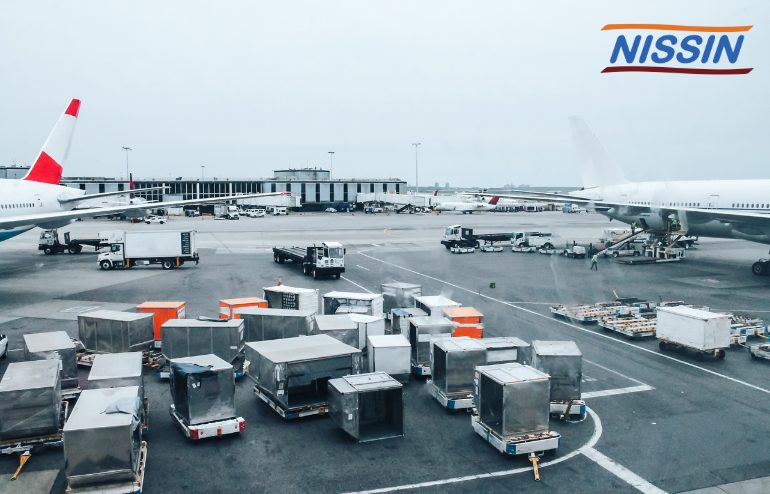
Modern supply chains operate under tighter timelines and higher expectations than ever. Delays at ports, unpredictable weather patterns, and capacity constraints force companies to rely more heavily on international air freight services for time-sensitive cargo.
Industries such as electronics, healthcare, automotive, and precision manufacturing depend on consistent delivery cycles. When managed strategically, air shipping minimizes exposure to delays and supports uninterrupted production.
Forecasting and Demand Planning Strengthen Reliability
Accurate forecasting is central to a strong air transport plan. Companies that forecast demand early can secure capacity, coordinate with carriers, and align internal operations more effectively. Experienced air freight companies provide advance insights into capacity shifts, seasonal patterns, potential bottlenecks, and expected rate movements.
This foresight helps logistics teams:
1. reserve space before peak demand
2. identify optimal flight schedules
3. maintain balanced inventory levels
4. prevent last-minute operational disruptions
Forecast-driven planning gives organizations better control over financial and operational outcomes.
Multi-Airport Strategies Reduce Exposure to Delays
Relying on a single airport increases vulnerability when congestion, staffing issues, or weather disruptions arise. A multi-airport planning approach expands routing flexibility and helps companies maintain continuity even when one hub experiences delays.
This approach allows businesses to:
1. divert shipments to alternate airports
2. reduce dwell time at congested hubs
3. maintain faster clearance and handling cycles
4. balance cargo across several strategic locations
Such diversification helps stabilize timelines and reduces overall risk.
Strategic Route Planning Avoids High-Risk Corridors
Certain regions experience recurring operational challenges. Smart planning with international air freight services helps companies avoid routes that are historically unstable due to storms, regulatory restrictions, or infrastructure limitations.
Route analysis supports:
1. faster transit time selection
2. better carrier performance comparison
3. reduced exposure to weather-related delays
4. seamless movement across global trade lanes
Choosing the most reliable path is often as important as choosing the right aircraft or carrier.
Early Documentation Prevents Clearance Issues
Customs delays remain one of the most common sources of disruption in international logistics. Early preparation of commercial invoices, packing lists, certificates, and special handling documents significantly reduces clearance risk.
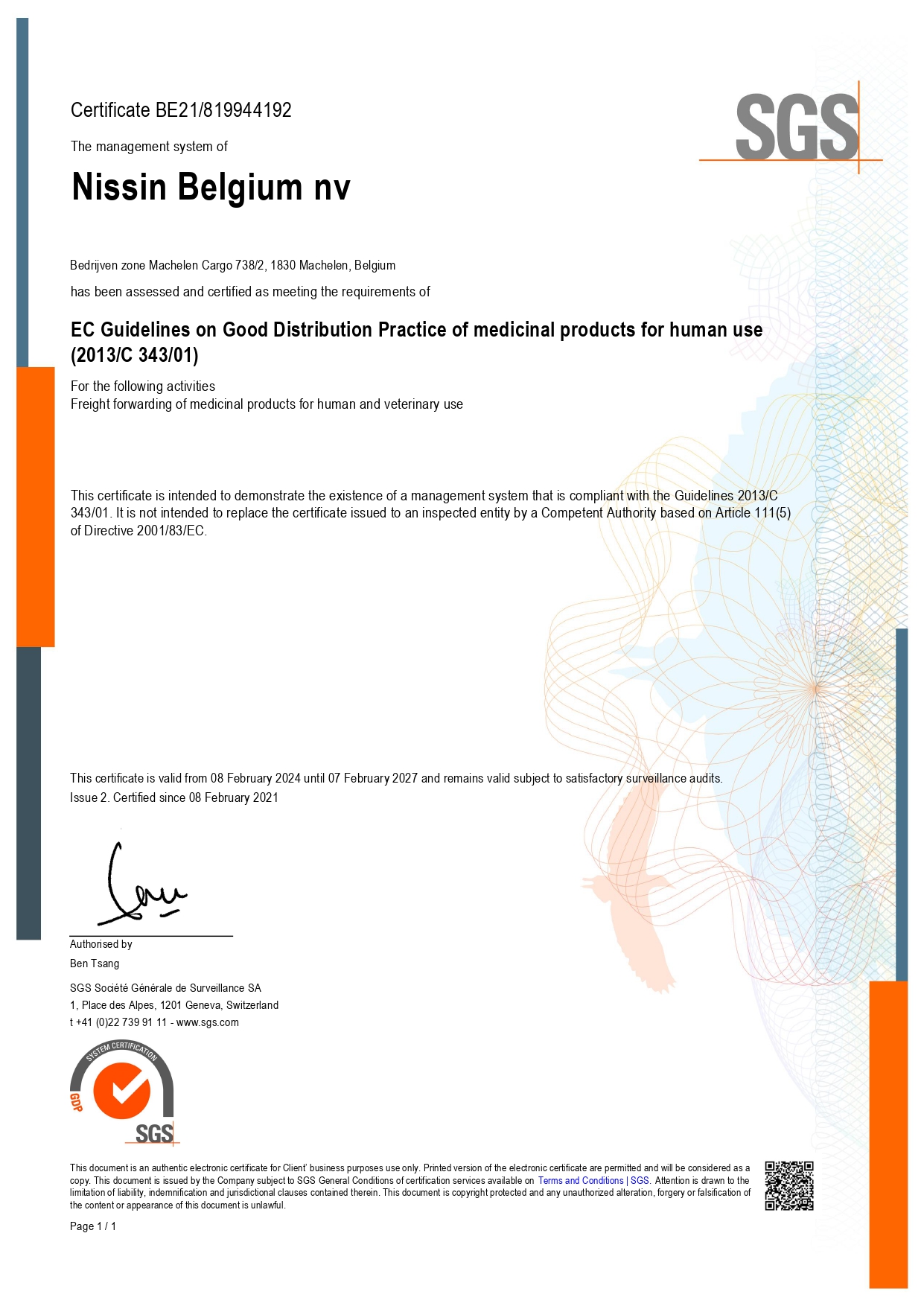
Working closely with air freight shipping services gives businesses access to compliance expertise, which helps prevent:
1. incorrect HS codes
2. missing regulatory certificates
3. delays for controlled goods
4. extended inspections
Professional documentation preparation supports faster throughput at international borders.
Capacity Planning Protects Operational Continuity
Global air capacity fluctuates due to seasonal factors, market trends, and shifts in carrier operations. Companies that plan ahead lock in more stable space and avoid costly last-minute adjustments.
Strong capacity planning allows teams to:
1. stabilize transport budgets
2. secure reliable transit windows
3. maintain consistent delivery for critical components
4. minimize the impact of sudden demand surges
Secured space leads to more predictable production and distribution cycles.
Visibility and Tracking Improve Operational Decision-Making
A key advantage of well-planned air shipping is the visibility that comes with structured movement. Clear shipment timelines and integrated tracking systems help teams adjust internal workflows and maintain accurate communication with downstream partners.
Better visibility allows companies to:
1. adjust labor scheduling
2. anticipate warehouse activity
3. forecast delivery timelines for customers
4. reduce uncertainty during unexpected events
Strong visibility supports confidence across procurement, operations, and commercial teams.
Inventory Planning Aligns More Effectively With Air Transport Cycles
Predictable air schedules help businesses build more accurate safety stock models and replenish inventory with less disruption. This is especially valuable for products with high turnover rates or tight production windows.
Inventory teams gain the ability to:
1. plan reorder points with more precision
2. reduce the risk of stockouts
3. maintain stability during demand fluctuations
4. avoid costly emergency shipments
Smart integration between inventory management and air transport planning strengthens the entire chain.
Consolidation Improves Efficiency and Minimizes Touchpoints
Advance planning gives companies time to consolidate smaller shipments into well-organized cargo loads. This reduces risk by limiting the number of handling points and simplifies customs processing.
Consolidation leads to:
1. lower handling and storage fees
2. fewer documentation cycles
3. reduced exposure to damage
4. smoother cargo flow through airports
This approach supports efficiency and lowers operational stress for the entire network.
Air Shipping Protects High-Priority and Sensitive Cargo
Certain goods cannot withstand long transit times or temperature variations. High-value components, pharmaceutical products, and medical devices perform best under the highly controlled environment that air shipping offers.
Strong planning helps define:
1. temperature management steps
2. special handling requirements
3. rapid transfer procedures
4. compliance protocols for regulated cargo
These practices maintain cargo integrity and support strict quality standards.
Smart Air Shipping Planning Builds Stronger Supply Chains
Organizations that treat air transport planning as a strategic function gain a clear advantage. They operate with more predictability, respond faster to market changes, and reduce their exposure to global disruptions. Well-managed air shipping improves resilience, operational control, and customer satisfaction.
Work With Nissin Belgium for Reliable Air Freight Solutions
Nissin Belgium offers a global network, experienced teams, and consistent performance across complex cargo movements. Our international air freight services help businesses maintain continuous flow across international markets with professional handling, transparent coordination, and dependable scheduling.
Our team is ready to assist you. Call us at +32 2 751 44 99 or email your requirements to HowCanIHelpYou@be.nissin-eu.com for prompt and professional support.