
Lithium Battery Logistics: Safety, Compliance and Storage Challenges
Lithium-ion batteries are becoming increasingly important across industries, from automotive and mobility to energy, electronics, and aerospace and defense. As battery volumes grow, so does the complexity of managing them safely throughout the supply chain.
Transport is only one part of the challenge. Businesses also need to consider storage, handling, regulatory requirements and procedures for batteries that are damaged, defective or reaching the end of their useful life.
This blog explores the key challenges behind lithium battery logistics and why specialised expertise and infrastructure are becoming increasingly important.
Safety Starts with the Right Infrastructure
Lithium-ion batteries require careful handling because damage, incorrect storage or inappropriate handling can increase safety risks, including thermal runaway and fire. This makes the physical environment in which batteries are stored and handled particularly important. Facilities need to be designed around the specific risks associated with battery logistics, with appropriate safety measures, monitoring systems and procedures in place.
For businesses managing significant battery volumes, standard warehousing may therefore not always be sufficient.
Storage Requirements Are Becoming More Complex
Battery storage can involve different types of products, each with their own requirements. New batteries awaiting distribution may need to be stored alongside used batteries, while damaged or defective batteries require additional precautions and specialised handling. Businesses may also need to manage batteries at different stages of their lifecycle within the same supply chain.
Effective battery storage therefore requires more than simply having sufficient warehouse space. Businesses should consider:
- suitable storage areas and conditions,
- fire and safety measures,
- temperature and environmental monitoring,
- procedures for damaged or defective batteries,
- trained personnel.
These capabilities become increasingly important as battery volumes and product variety continue to grow.
Compliance Is Part of the Logistics Process
Lithium battery logistics is also subject to specific regulatory and dangerous goods requirements. These can apply to packaging, labelling, documentation, transport and handling, depending on the type and condition of the battery.
Compliance should therefore not be treated as a separate administrative task. It needs to be integrated into the logistics process from the start.
Incorrect classification, incomplete documentation or unsuitable packaging can lead to delays, additional costs or safety risks. Working with logistics specialists who understand the applicable requirements can help businesses manage these challenges more effectively.
Damaged and Defective Batteries Require Extra Attention
One of the most challenging aspects of battery logistics is dealing with batteries that are damaged, defective or involved in an incident. These batteries cannot always be treated in the same way as standard battery shipments. Depending on their condition, they may require specific packaging, isolation, handling procedures and transport solutions.
This creates an additional logistics flow that needs to be planned alongside normal battery operations. Specialised facilities can provide the infrastructure and expertise needed to assess, store and manage these batteries safely, reducing the risks associated with moving them through conventional supply chains.
Battery Logistics Extends Beyond Transport
As battery supply chains mature, logistics is increasingly about managing the full battery lifecycle. Batteries may move from manufacturing and distribution to vehicle or equipment production, then later enter reverse logistics flows for repair, reuse or recycling. Each stage creates different logistics requirements.
This means businesses increasingly need logistics partners that can support more than transport. Storage, handling, reverse logistics and compliance can all become part of the same supply chain.
Building Safer and More Resilient Battery Supply Chains
The growth of battery-powered products is creating new opportunities, but it also requires businesses to rethink how battery logistics is managed. Safety, compliance and storage cannot be treated as separate considerations. They are interconnected parts of a logistics strategy that needs to account for the type, condition and lifecycle stage of each battery.
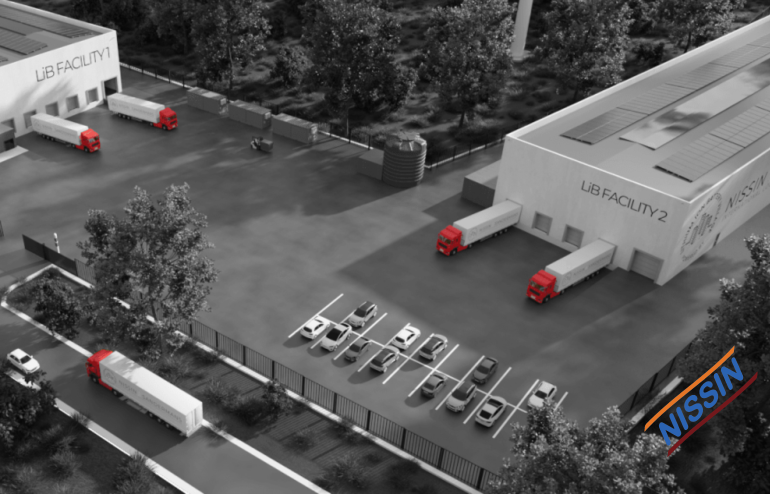
At Nissin Transport Belgium, we support battery supply chains with specialised transport, storage and handling capabilities. Through LiB Village, we offer dedicated facilities and expertise for the storage, handling and logistics of lithium-ion batteries, including new, used and damaged batteries.
Looking For a Specialised Partner for Your Battery Logistics?
Whether you need support with battery transport, safe storage, damaged batteries or reverse logistics, our specialists can help you develop a solution suited to your requirements.
Contact our team to discuss your battery logistics needs.
